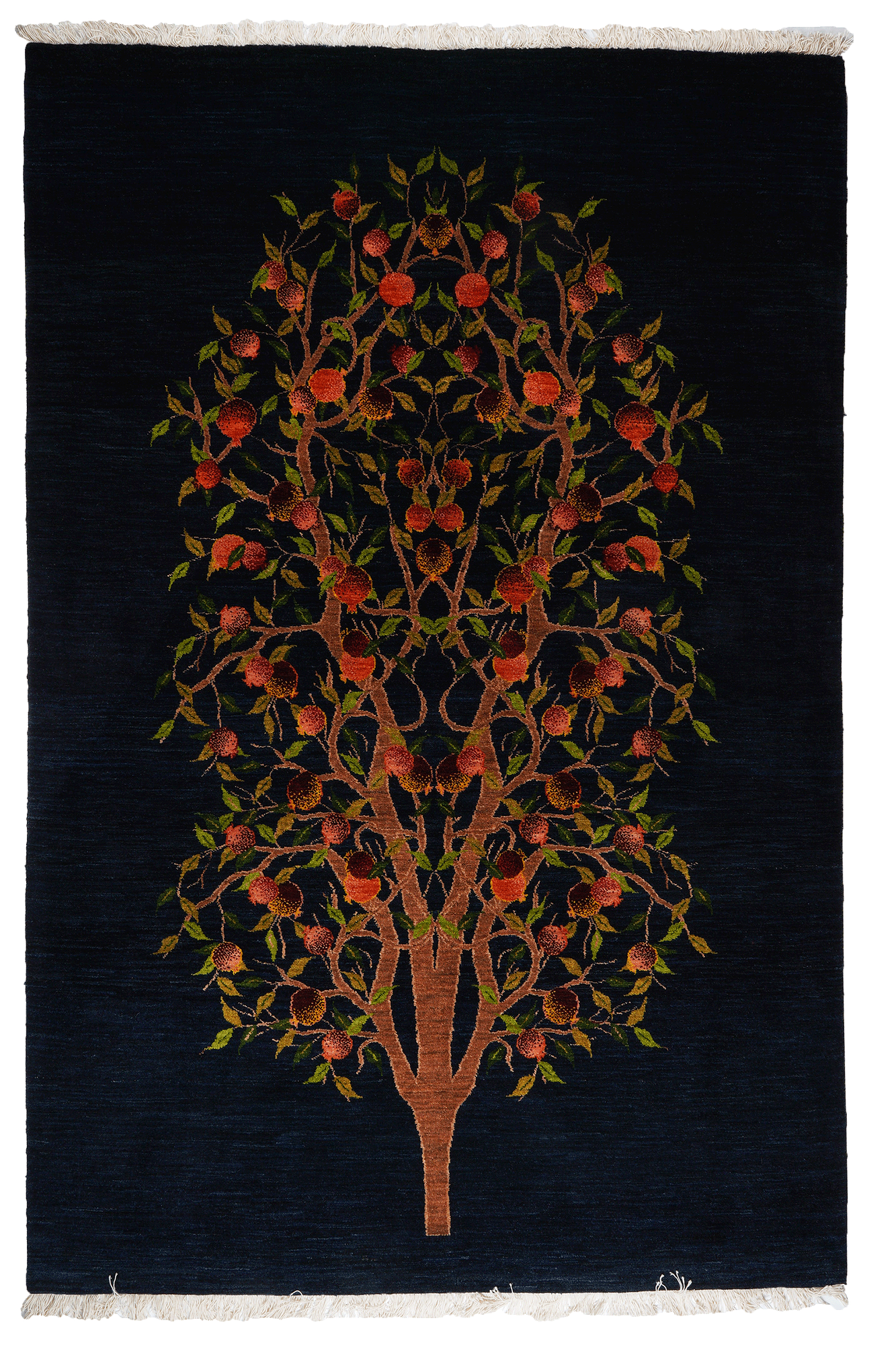
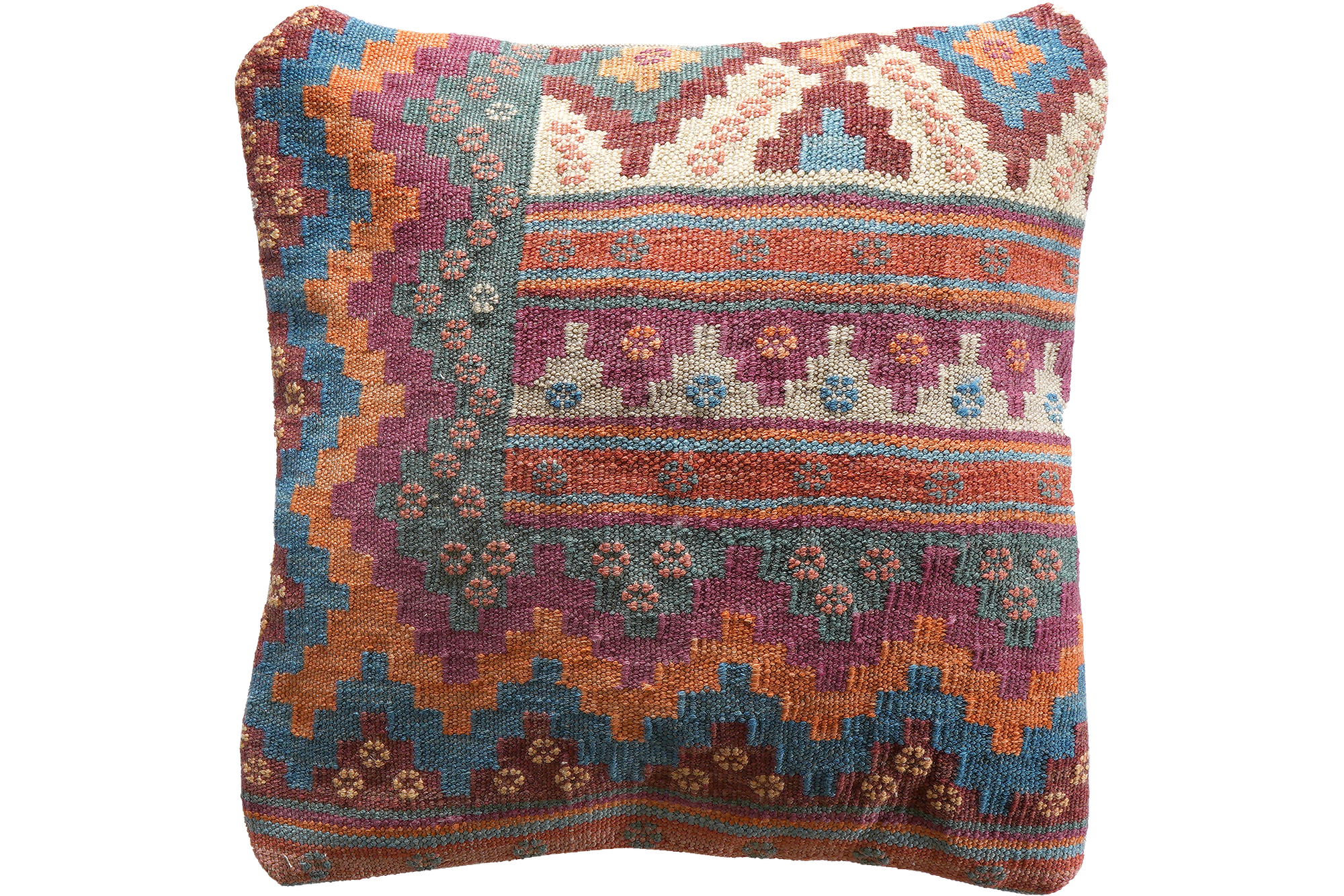
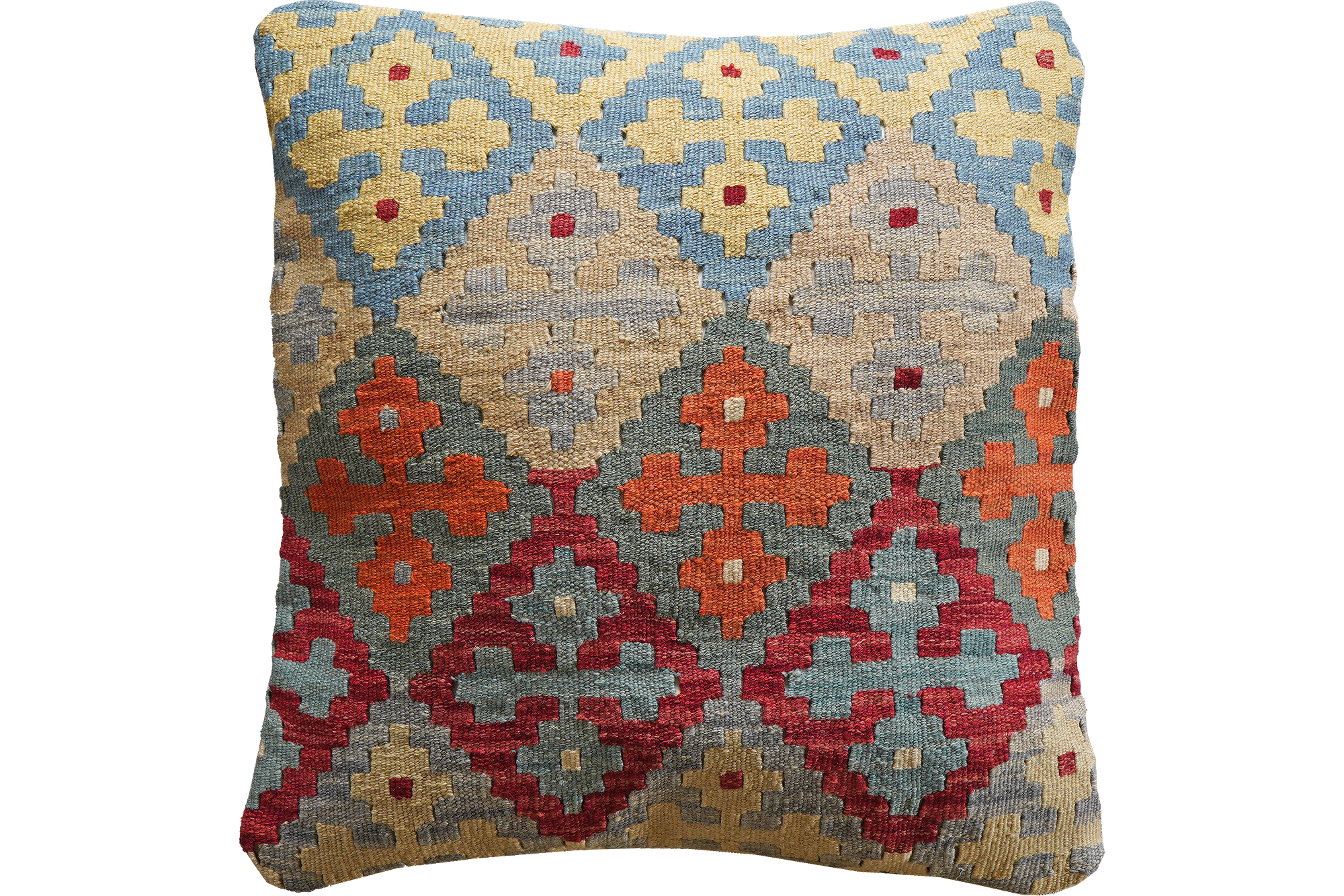
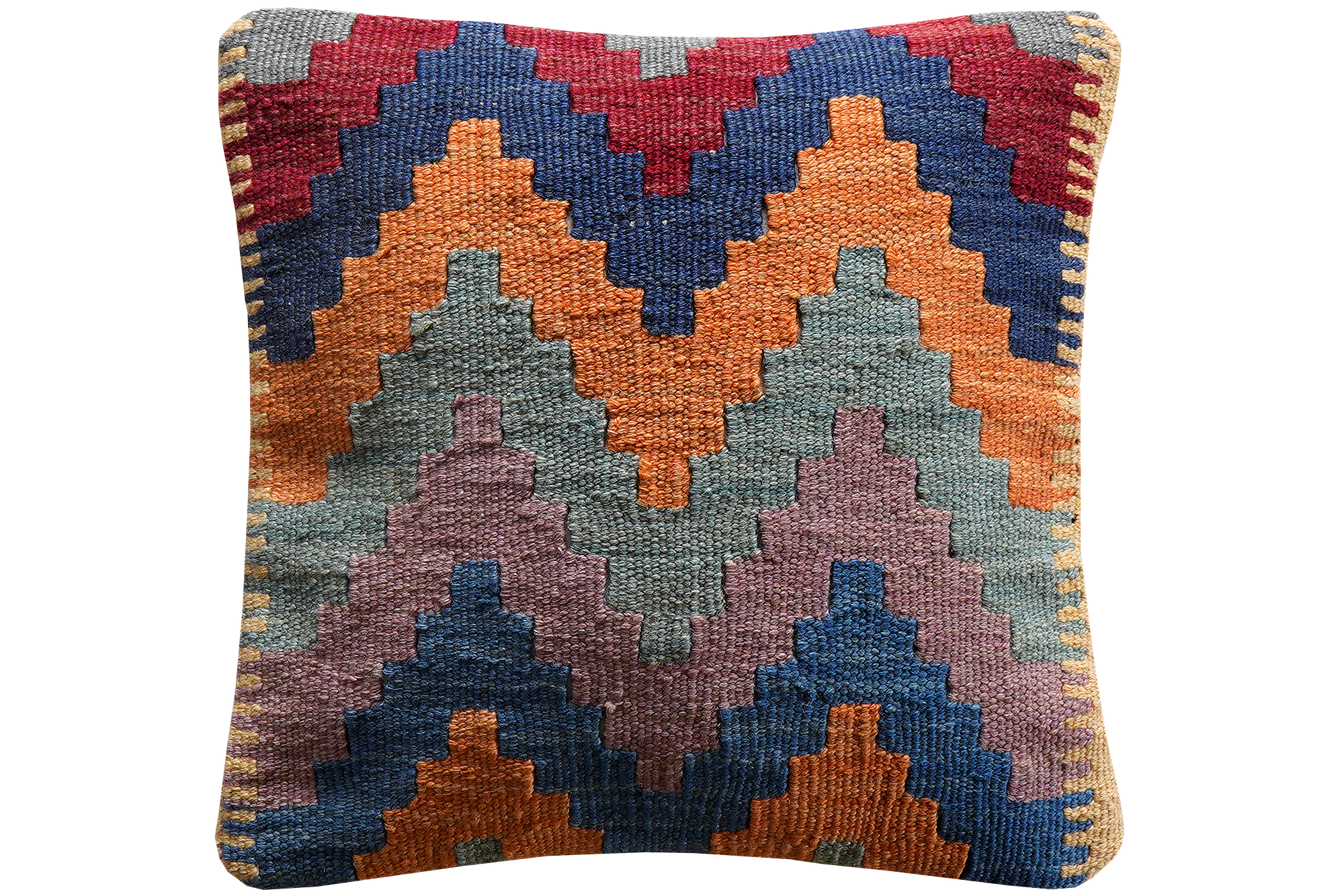
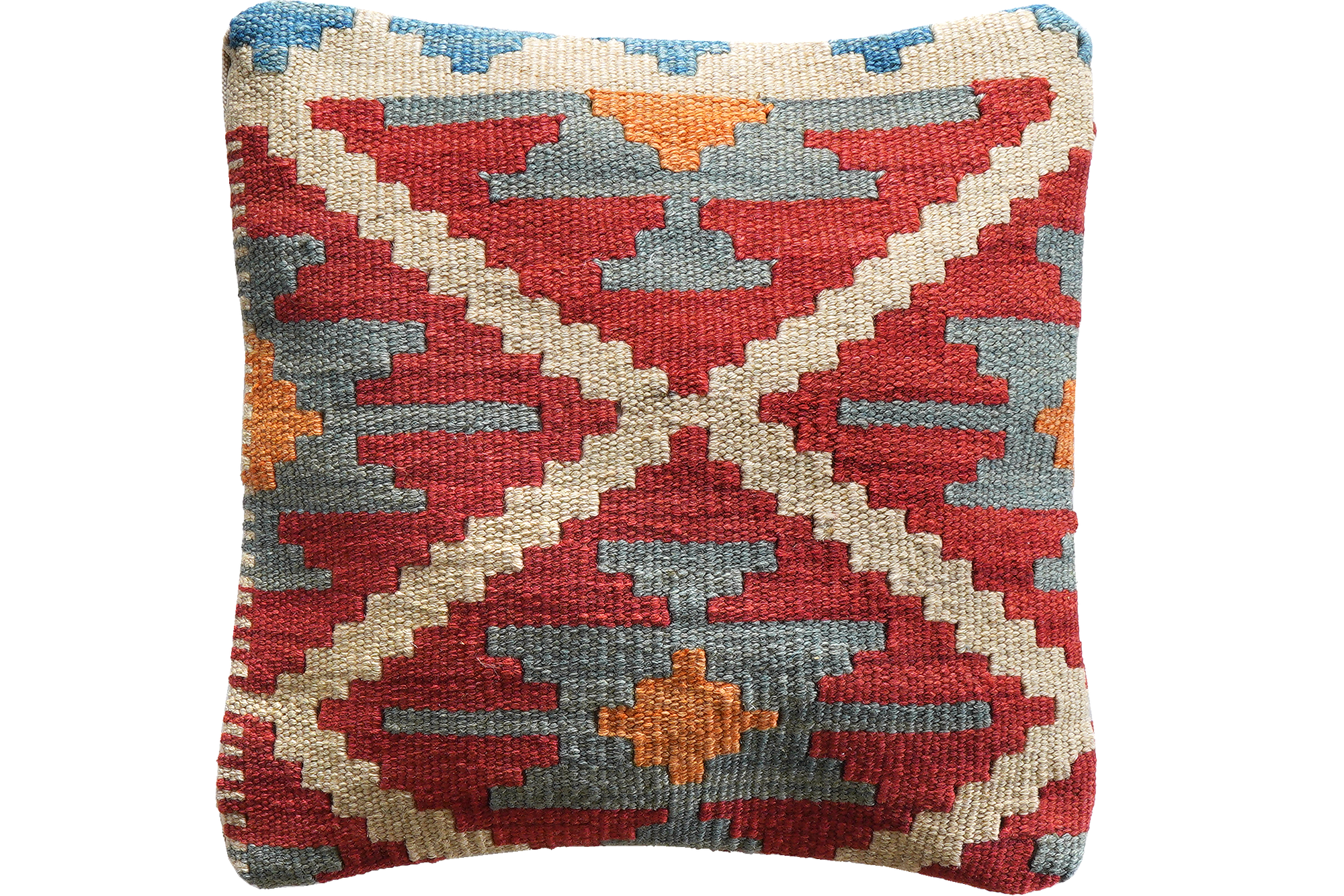
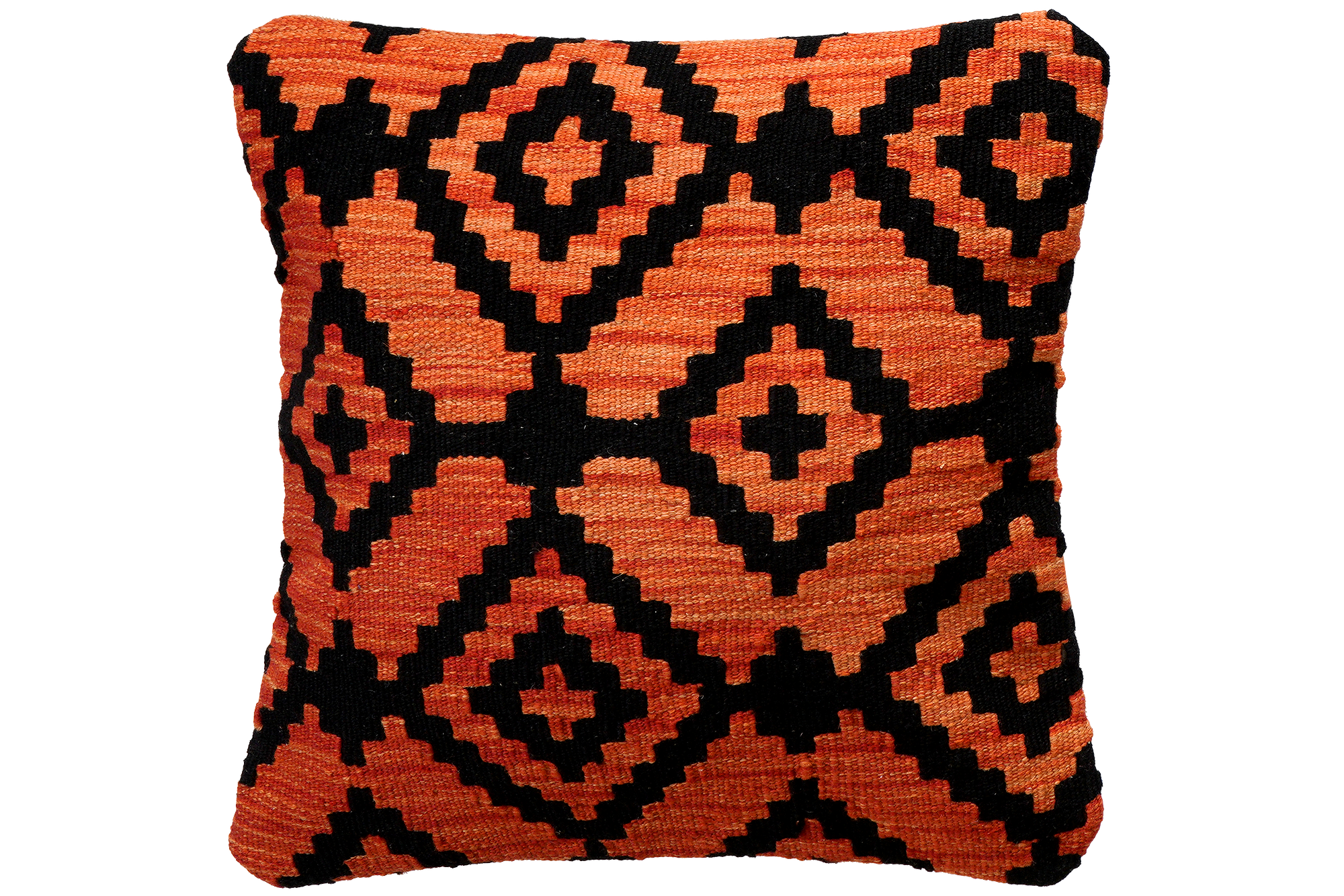
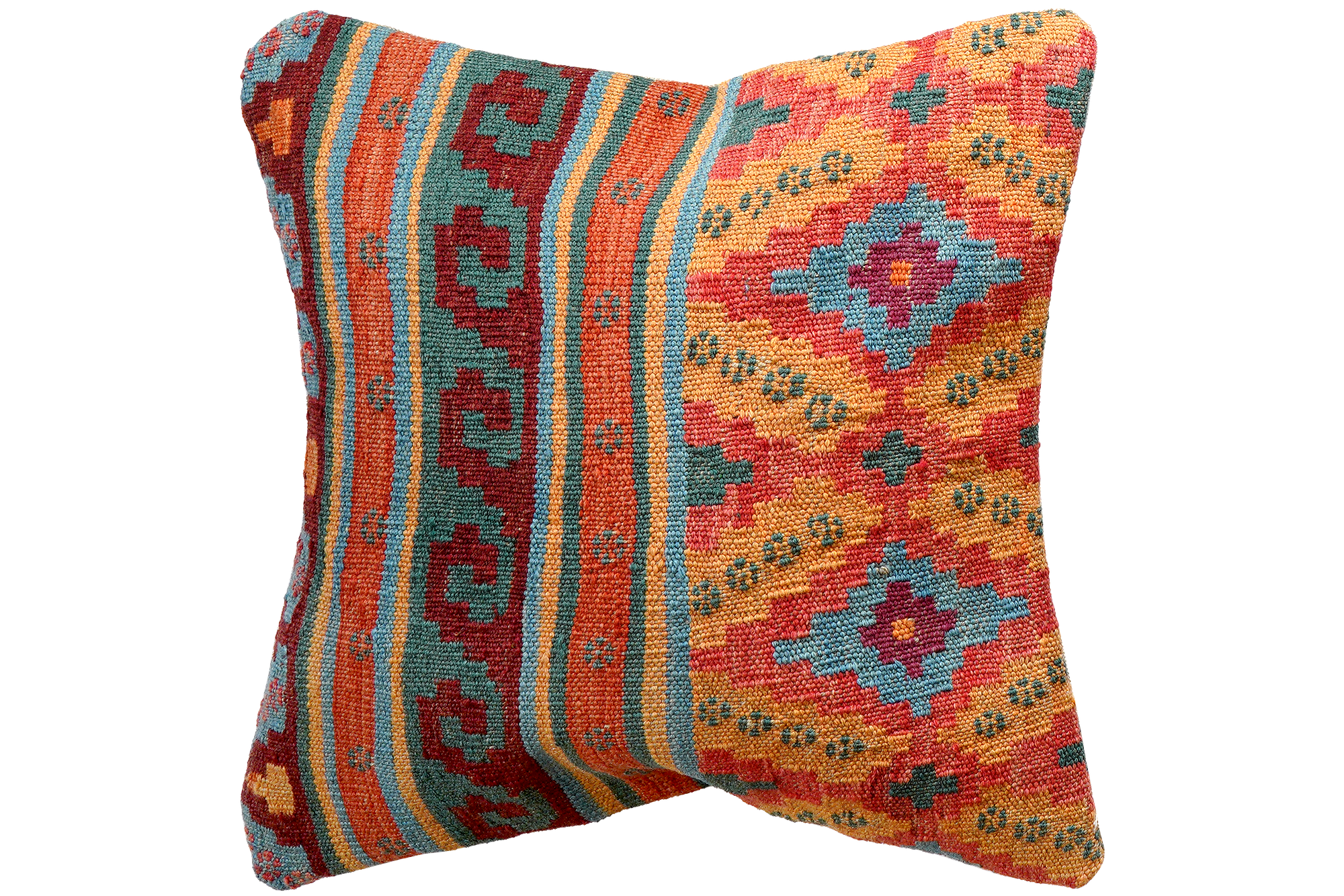
.jpg?locale=at)
Rugtales is rooted in a true family legacy. Since 1952, their family has been deeply connected to Persian carpet craftsmanship, a tradition that Vida and Amin now carry forward from Hamburg with fresh perspective, deep respect for heritage, and a clear sense for contemporary design.
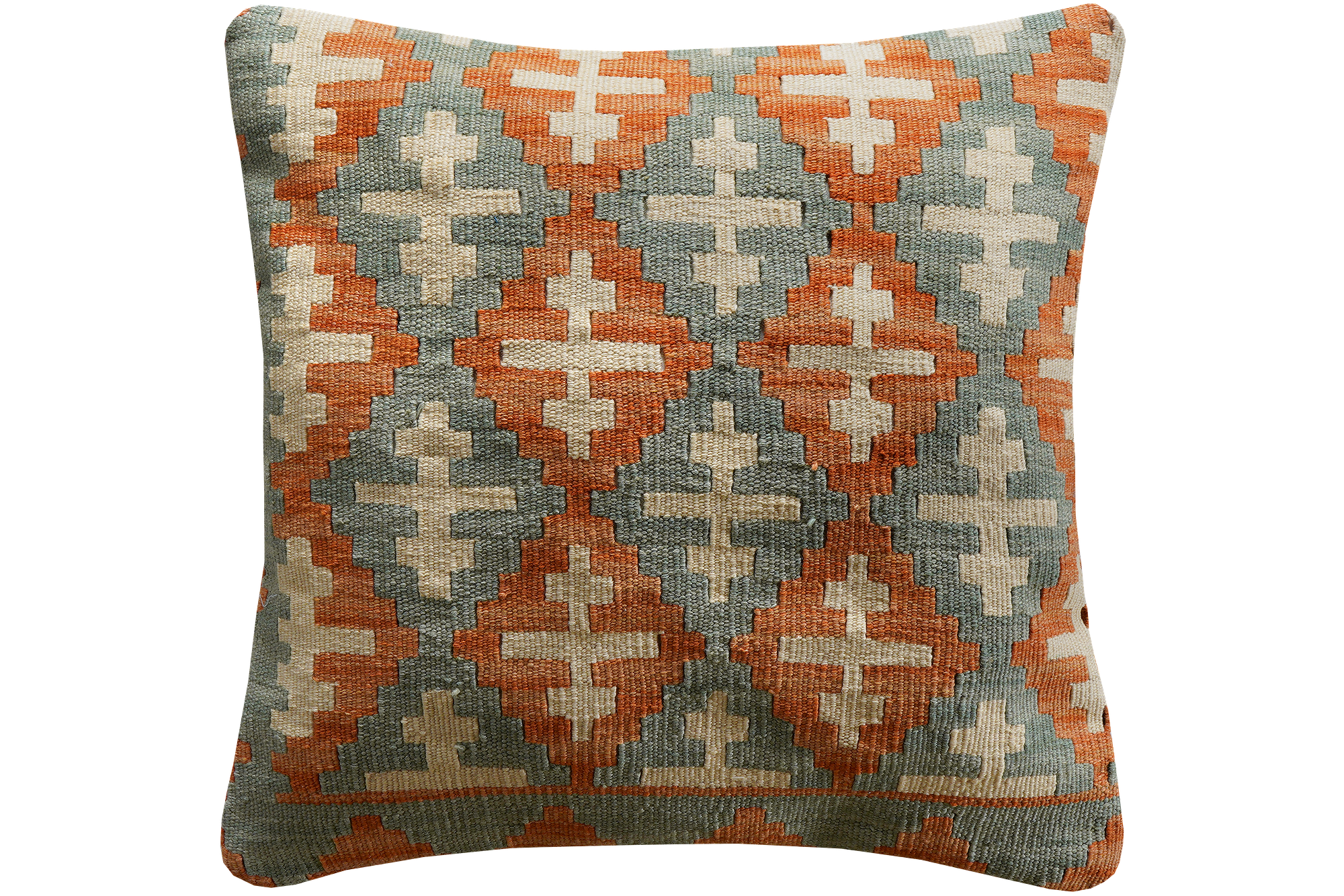
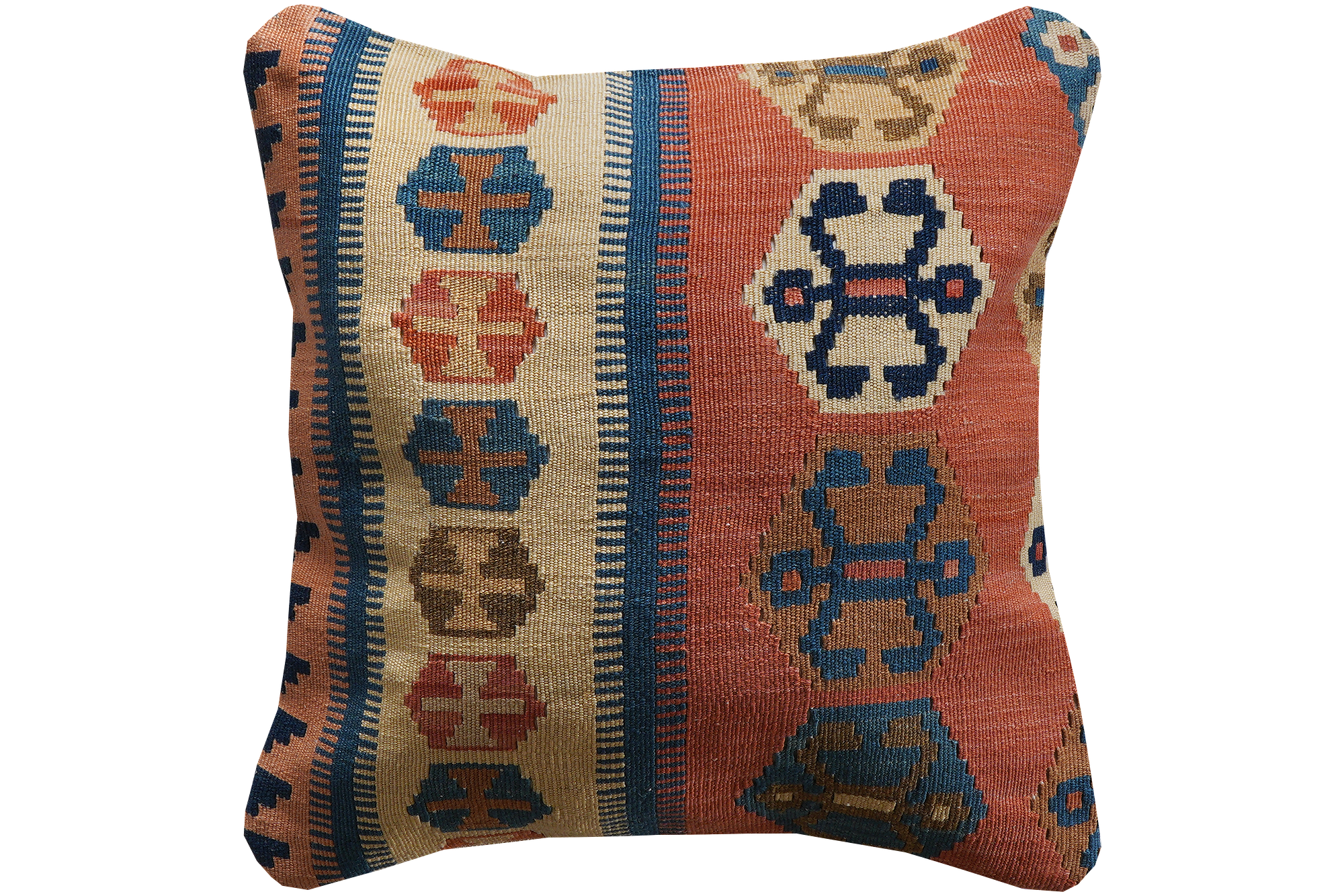
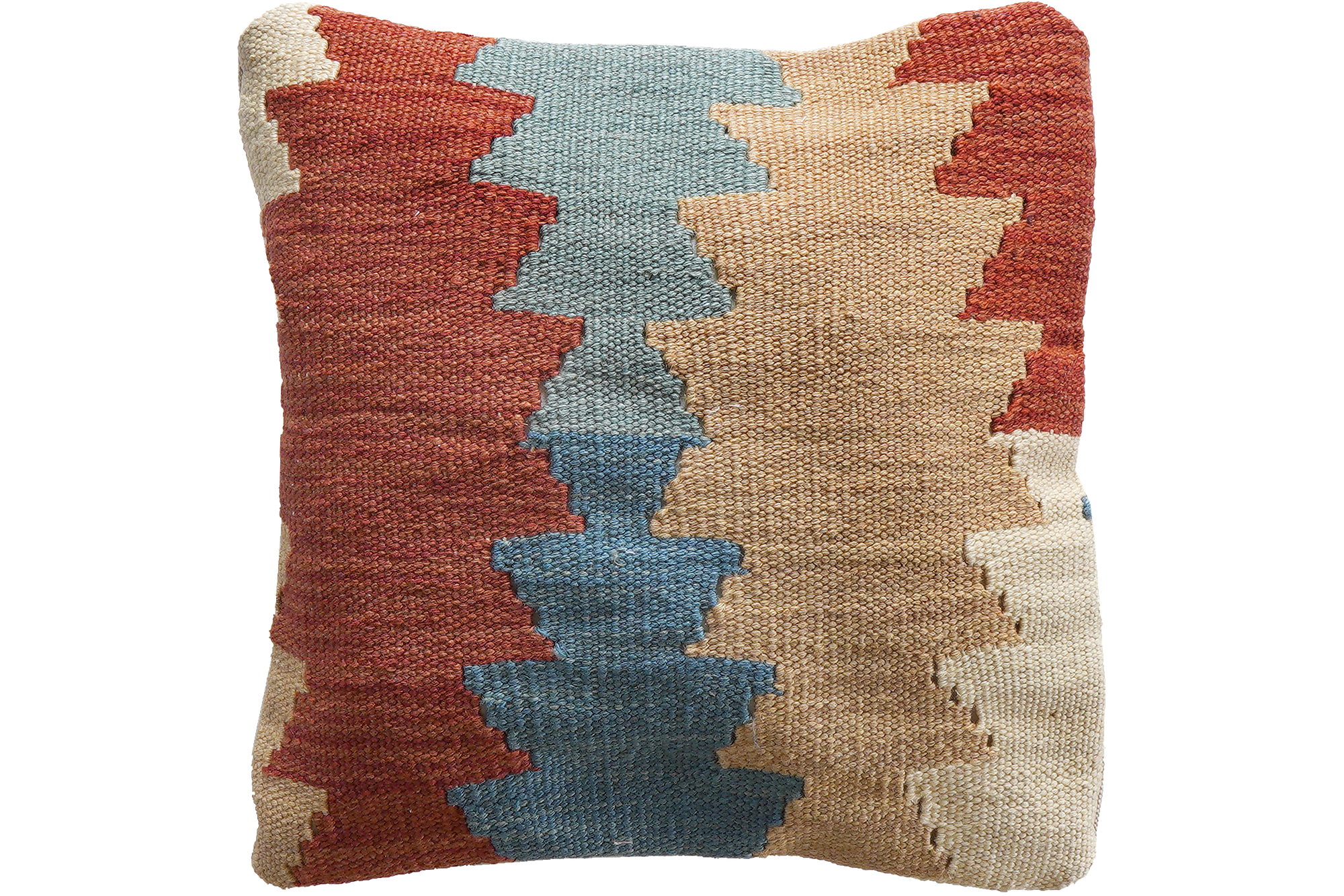
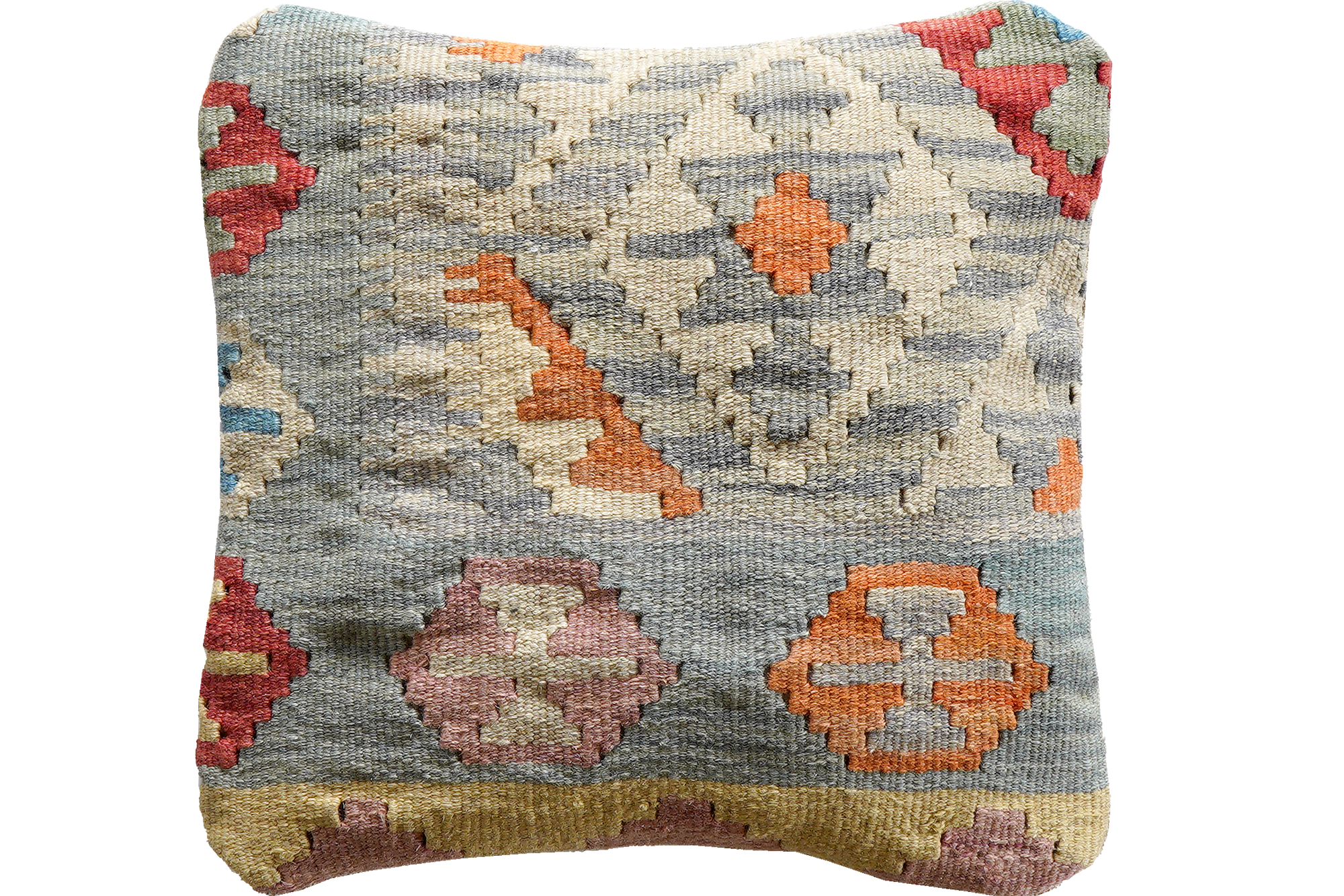
Each Rugtales carpet is a unique, handmade piece, woven from 100% pure new wool, often even hand-spun. Many are created by women from nomadic tribes such as the Gashgai, Turkmen, and Baluchi, using traditional techniques and knowledge passed down over centuries. Alongside these nomadic works, rugs from small villages like Assadabad or the Hamadan region continue to captivate with bold colors, expressive patterns, and a remarkable depth that brings warmth and character to any space.
The collection also includes rare historic pieces from the former Persian Empire, such as the 19th-century Khanum, distinguished by its rich colors and intricate ornamentation. Whether nomadic, village-made, or historic, these rugs are timeless classics—durable, authentic, and beautifully suited to modern interiors.
While trends, living styles, and consumer habits constantly evolve, Vida and Amin’s values remain unchanged: fairly produced rugs, genuine craftsmanship, and a sustainable system that allows weavers to decide when they work, what they create, and at what price they sell. Every Rugtales rug is made in the weavers’ homes and carries not only patterns and colors, but also deeply personal stories.
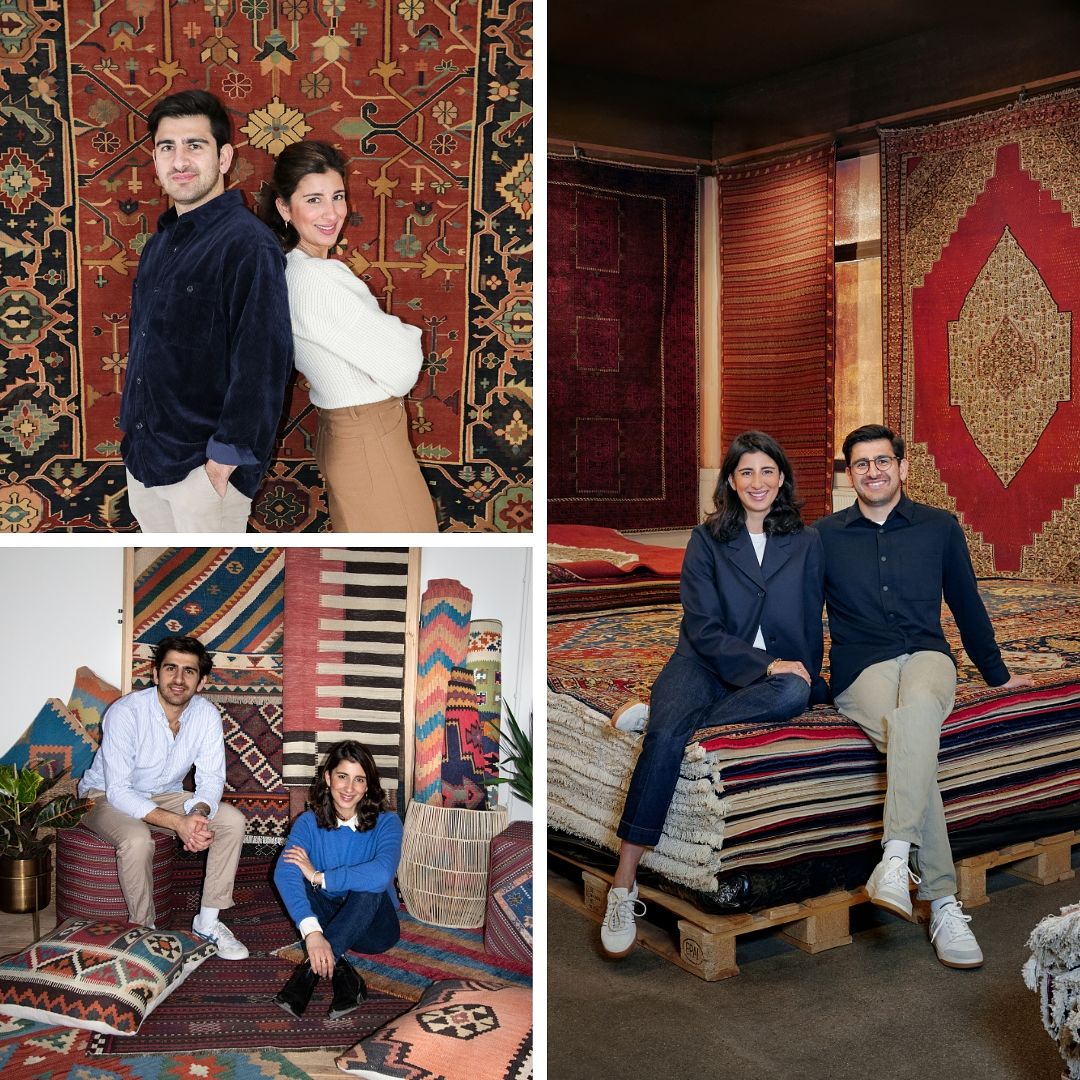

In this interview, we speak with Vida and Amin about their vision, the making of their rugs, and why true craftsmanship remains essential today—for our spaces and for the people who create them.
COCOLI: Rugtales has existed since 1952 – what inspired you to start your own rug brand?
Rugtales: Our family business is now active in its sixth generation. Our grandfather opened the first office and warehouse in Germany in 1952, choosing Hamburg’s historic Speicherstadt district. From this foundation, IPEK grew over decades as a wholesale business.
In 2019, we launched our direct-to-consumer brand Rugtales with the goal of speaking directly to end customers and, in particular, reaching a younger, more digital audience. At the time, there were only a few online brands offering handmade rugs and kilims curated in the way we understand and value them. So we thought: why not do it ourselves?
Today, we’re incredibly grateful for our community and for the many customers who appreciate this craft just as much as we do.
“Every rug tells its own story, carries symbolism, and has its own unique character.”
COCOLI: Can you walk us through the typical production process of a Rugtales rug—from material to finished product?
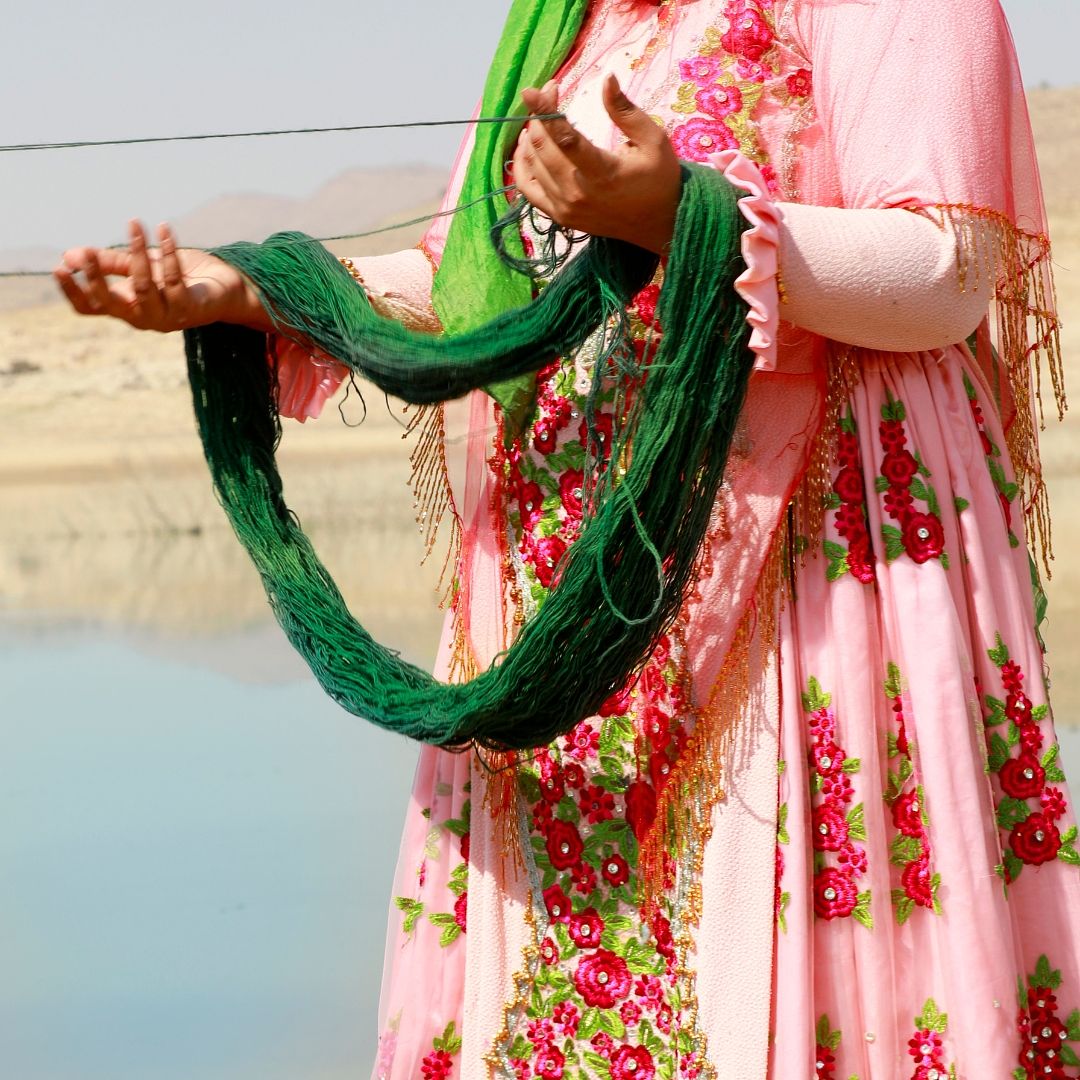
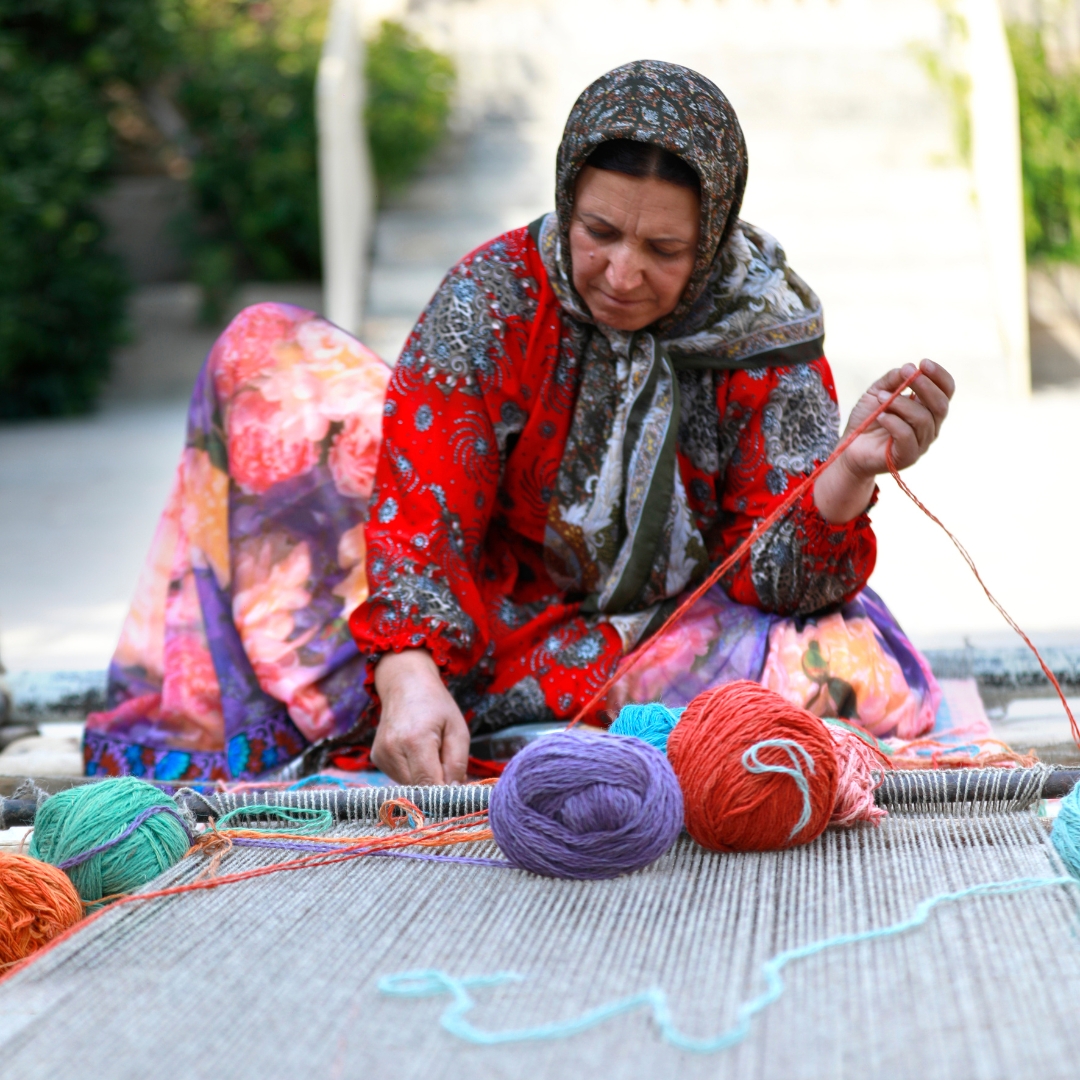
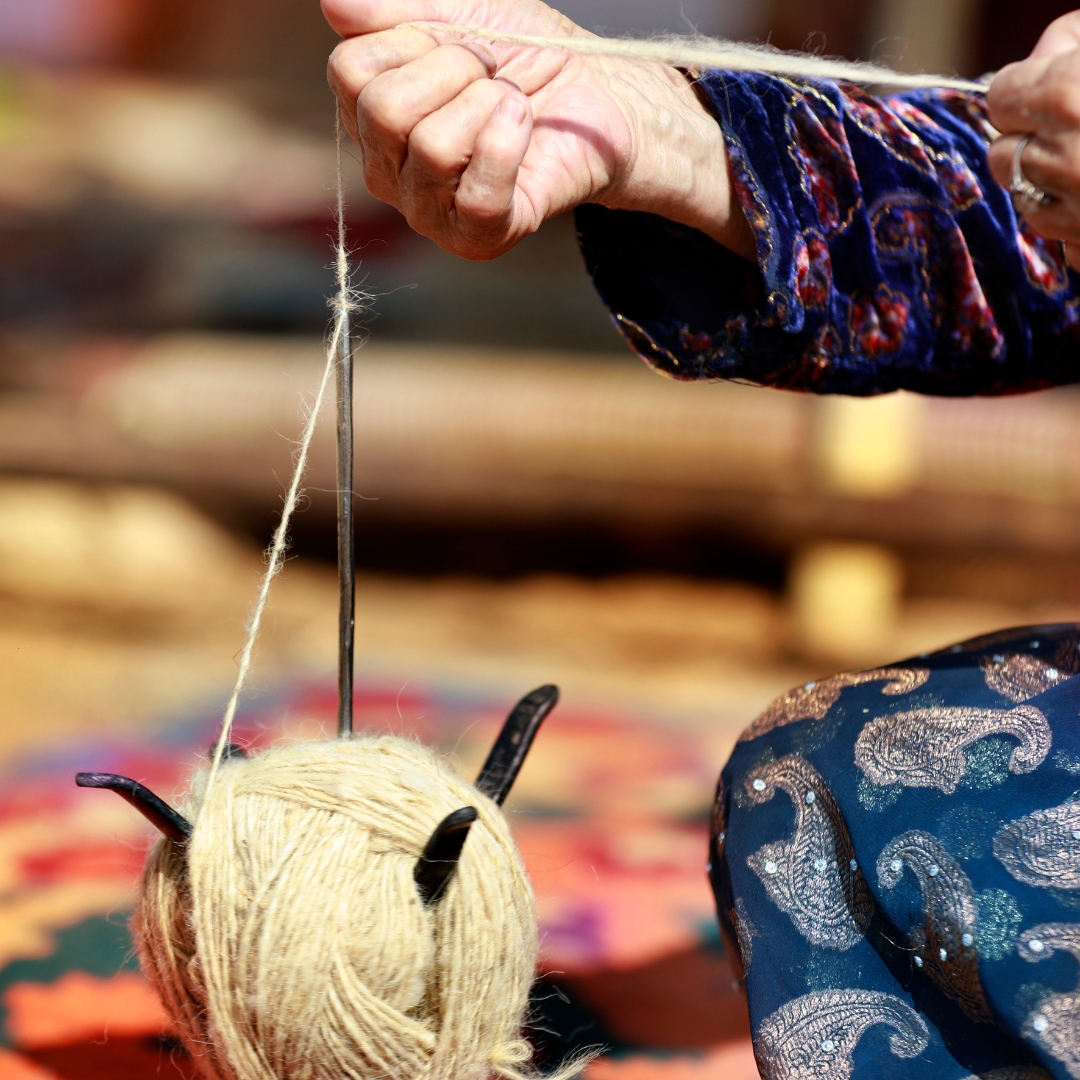
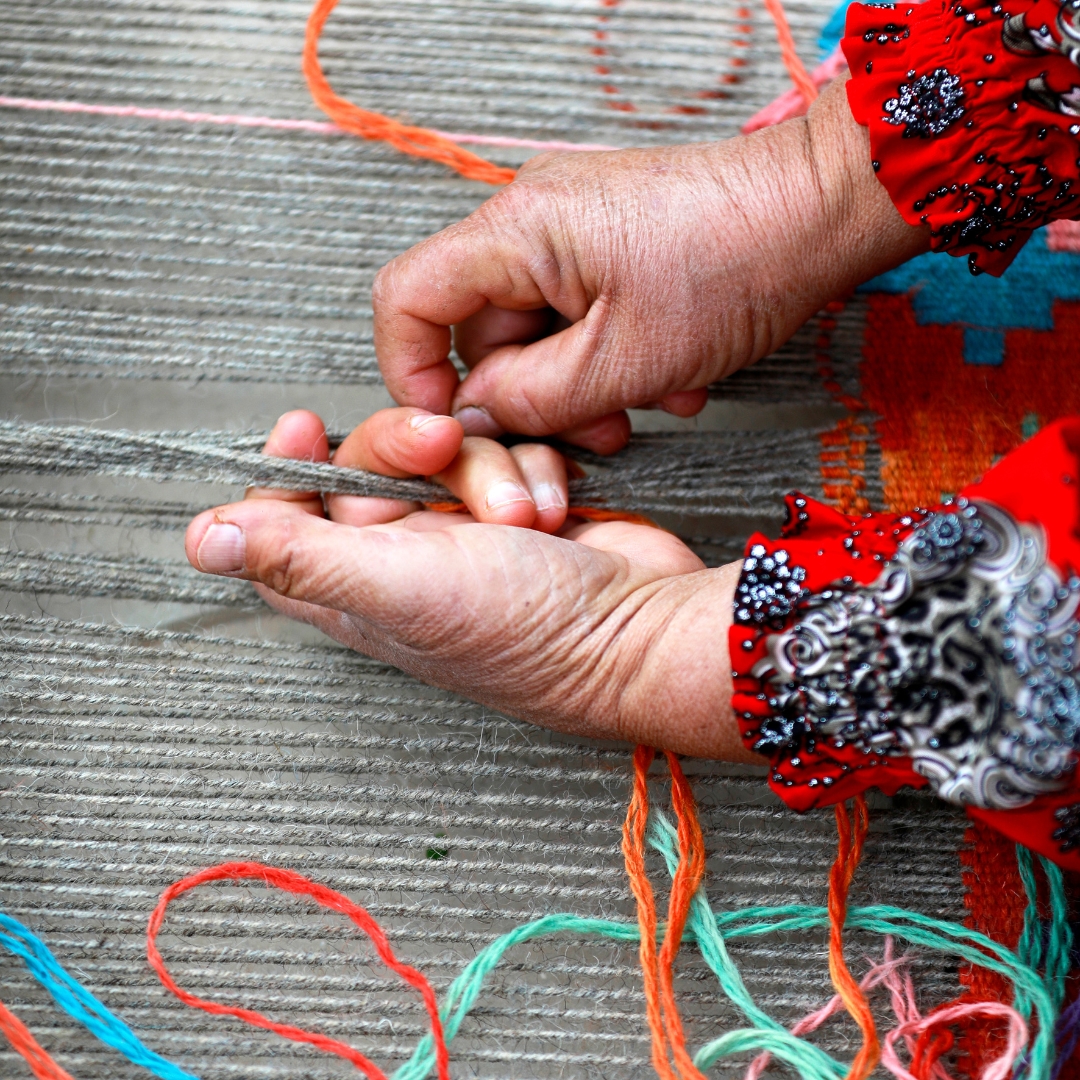
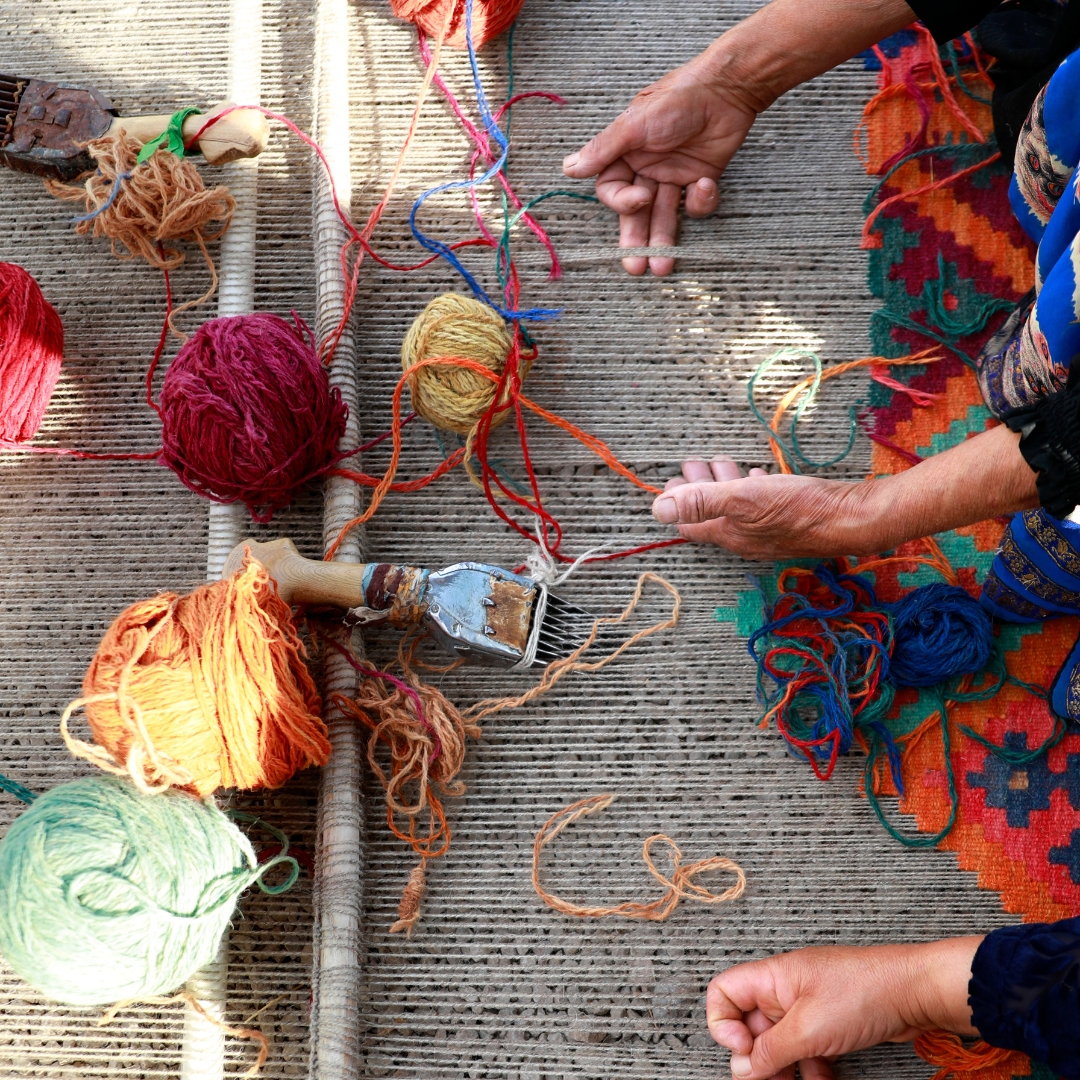
Rugtales: With pleasure—because craftsmanship works very differently from industrial production. Take a Gashgai kilim as an example: it is often made in small villages or nomadic communities, frequently by women. The wool is sometimes still spun by hand and traditionally dyed, often using plant-based dyes.
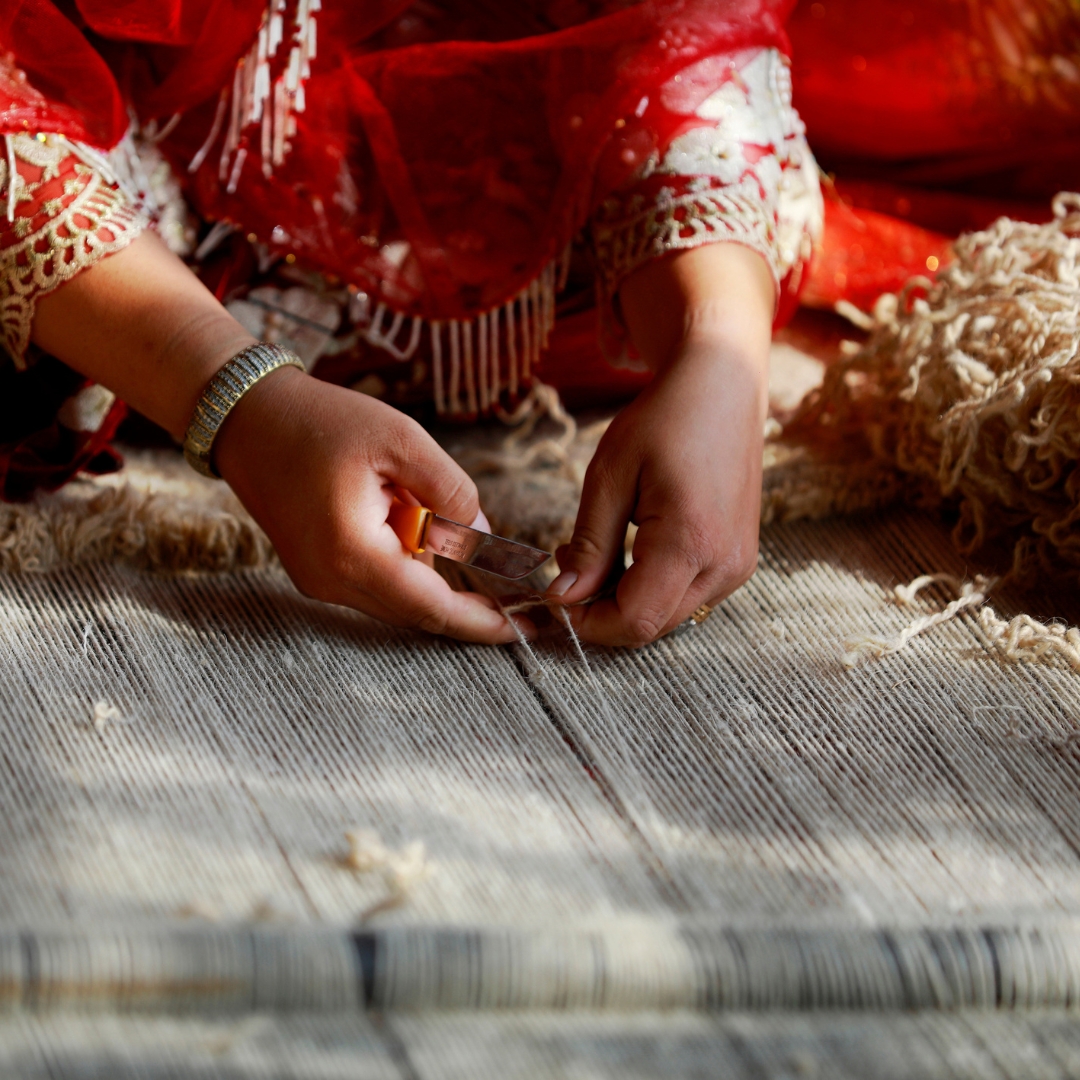
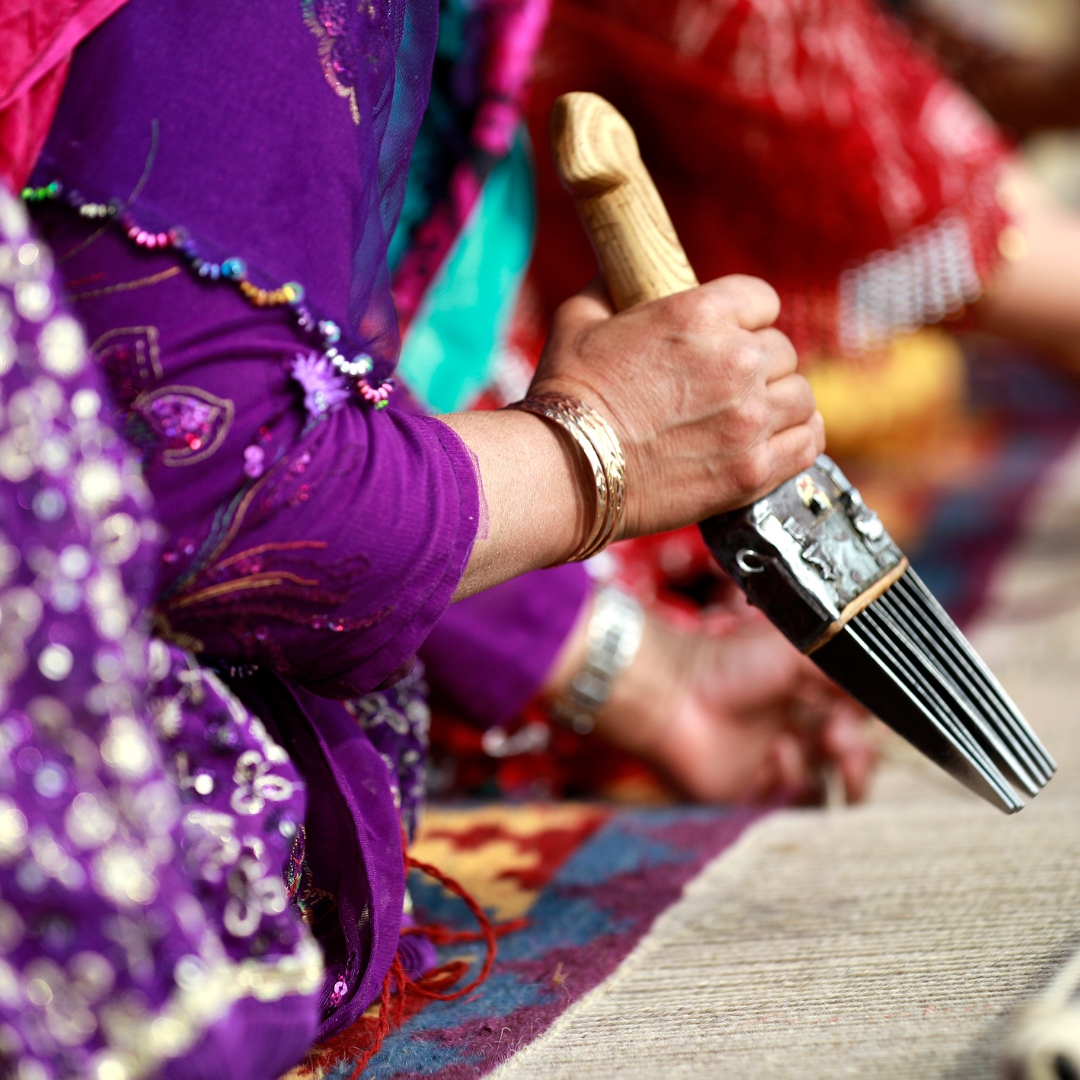
Weaving takes place on a horizontal wooden loom placed on the ground. First, the warp threads are stretched, then the weft thread is woven through in a complex process to create patterns and structure. The woven section is repeatedly beaten down with a comb, which stabilizes and evens out the fabric. Larger kilims are often worked on by two or three weavers together.
What we love most about this process is that it’s not just work—it’s lived culture. There is talking, laughing, singing, and drinking tea, just as there has been for centuries. In the end, the kilim is removed from the loom and often laid out in the sun so the colors and materials can fully settle. It’s a truly special, almost poetic process.
COCOLI: Sustainability plays a major role at Rugtales. Which aspects of your process make your rugs long-lasting and environmentally friendly?
Rugtales: Our rugs are primarily made from high-quality natural materials, especially virgin wool. We take great care to process these materials gently—for example, when cleaning the wool, so the natural lanolin that protects the fiber isn’t unnecessarily removed. Wherever possible, we avoid harsh chemicals, as they can harm both the material and the environment.
Another key factor is the traditional knotting and weaving techniques. These methods, refined over centuries, are known for their durability and longevity. A handmade rug is not a short-lived trend piece—it’s made to last for many years, often across generations.
“A handmade rug is not a short-lived trend item—it is made to last for many years, often even generations.”
COCOLI: How do you choose the materials used for your rugs?
Rugtales: In many cases, we don’t make that decision ourselves—the weavers do. Most commonly, pure virgin wool is used, sometimes even from their own herds. Depending on the region and technique, cotton or, more rarely, silk may also be incorporated.
COCOLI: What makes a Rugtales rug unique compared to others on the market?
Rugtales: We exclusively offer handmade rugs rooted in authentic craftsmanship. Our family has been trading these masterpieces for six generations—you could almost say that as much virgin wool flows through our veins as blood.
Every piece is hand-selected by us. Some rugs in our warehouse still come from our grandfather’s inventory, many from our father’s era. Our rugs have character, soul, and history—and that’s exactly what makes them so strong in modern interiors. They add individuality instead of feeling interchangeable.
.jpg?locale=at)
“What we particularly love about this process is that it is not just work but living culture.”
COCOLI: Is there a particular rug or collection that is especially close to your heart?
Rugtales: That’s difficult—because it feels more like falling in love again and again. When I travel and discover something special—a street, a dish, a place—there’s sometimes that moment of instant fascination. It might happen in a mimosa-lined old town alley in Provence or right in the middle of New York’s skyscrapers.
It’s the same with rugs. When I walk through our warehouse and flip through the stacks, there are always moments of surprise. An old Gashgai kilim might captivate me with its bold, almost glowing colors, while a fine Tabriz rug fascinates with its delicate floral ornaments.
Each rug tells its own story, carries symbolism, and has a very individual presence. Perhaps it’s this diversity that excites us so much—and why there is no single favorite. If I had to choose, I’d say my favorite piece is usually the one that moves me most in that moment.
Discover the Collection
.png?locale=at)
.png?locale=at)
.png?locale=at)
.png?locale=at)
.png?locale=at)
.png?locale=at)
.png?locale=at)
.png?locale=at)
.png?locale=at)
.png?locale=at)