Wabi-Sabi
Perché l'imperfezione improvvisamente rende tutto corretto
Gli spazi arredati alla perfezione hanno un bell'aspetto, ma spesso trasmettono una strana sensazione di mancanza di vita. Superfici lisce, mobili impeccabili, tutto esattamente coordinato. Eppure manca qualcosa.
È proprio qui che entra in gioco il Wabi-Sabi. Il trend del design 2026 dice addio alla perfezione e invita a rendere gli spazi di nuovo più autentici, calmi e personali.
Wabi-Sabi proviene dal Giappone e descrive la bellezza dell'imperfetto. Le cose possono invecchiare, mostrare piccoli difetti e portare le tracce della vita. Nell'interior design, questo significa mobili con carattere, materiali con una tattilità percepibile e spazi che non vogliono impressionare, ma far stare bene.
In un'epoca in cui la sostenibilità, il consumo consapevole e la longevità diventano sempre più importanti, questo stile tocca un tasto sensibile e si adatta sorprendentemente bene ai mondi abitativi moderni.
Materiali che possono invecchiare e diventare così più belli
Il Wabi-Sabi vive di materiali naturali e onesti. Tutto ciò che appare troppo liscio o troppo perfetto passa in secondo piano.
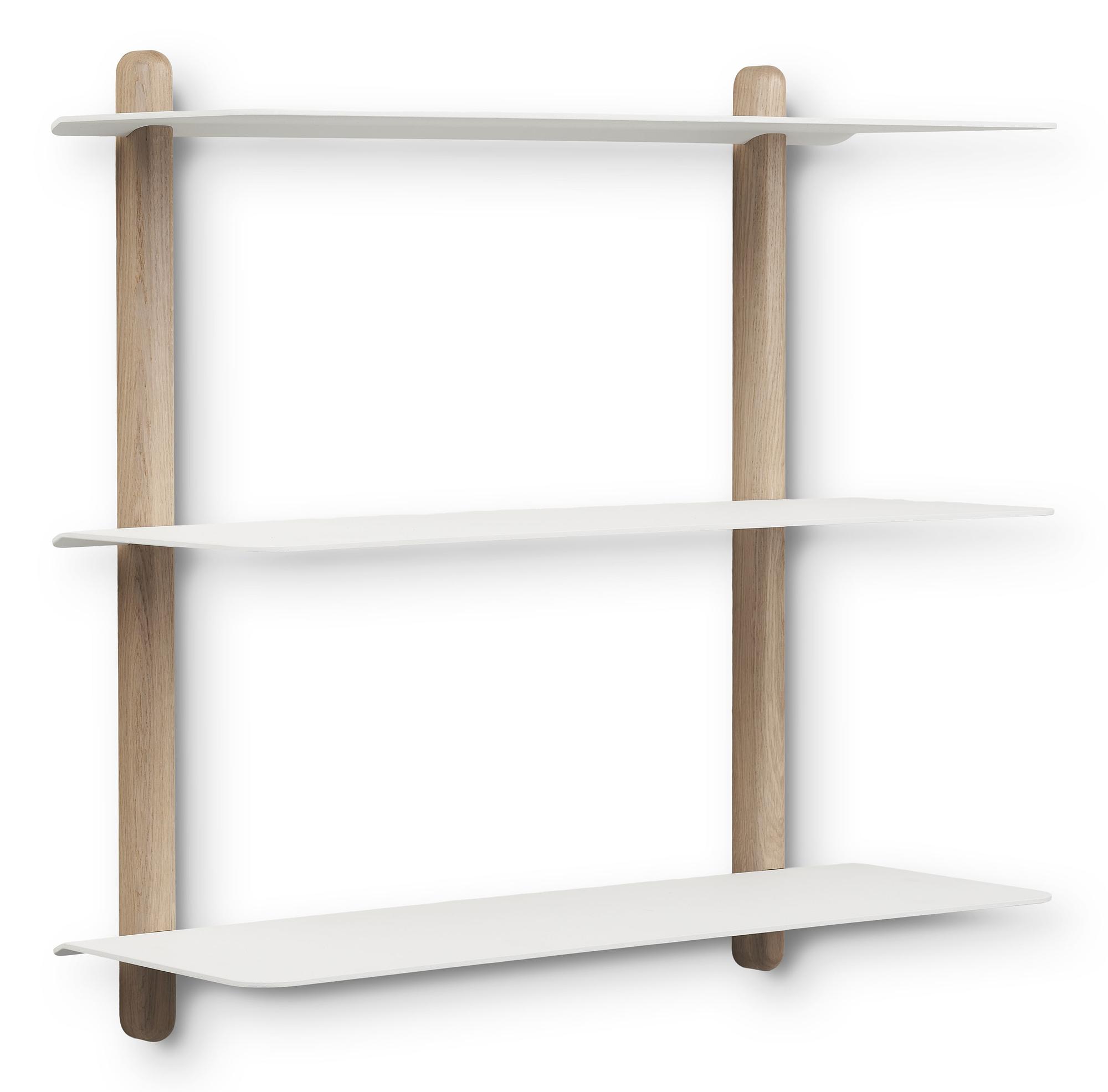
• Legno con una storia
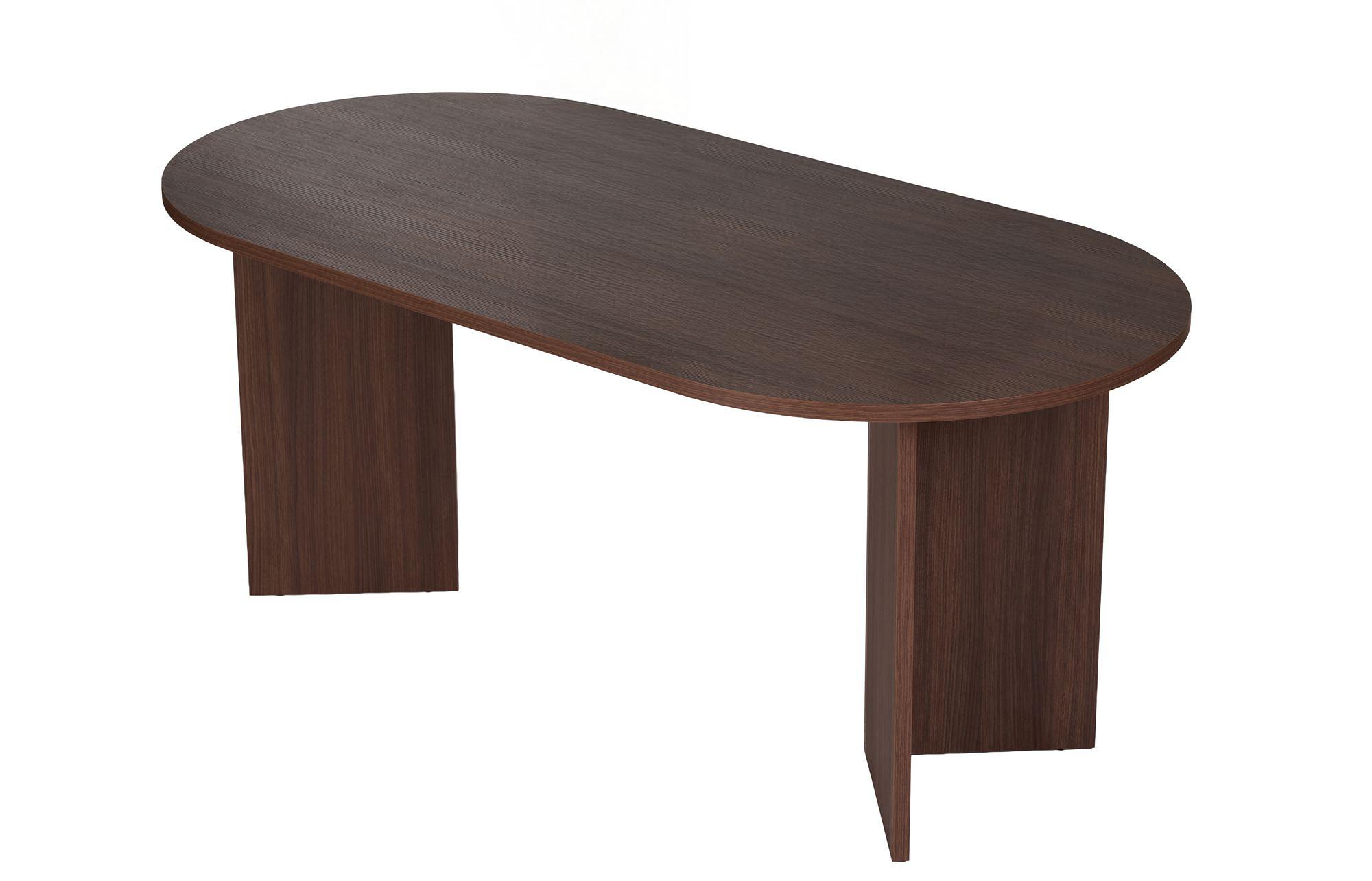
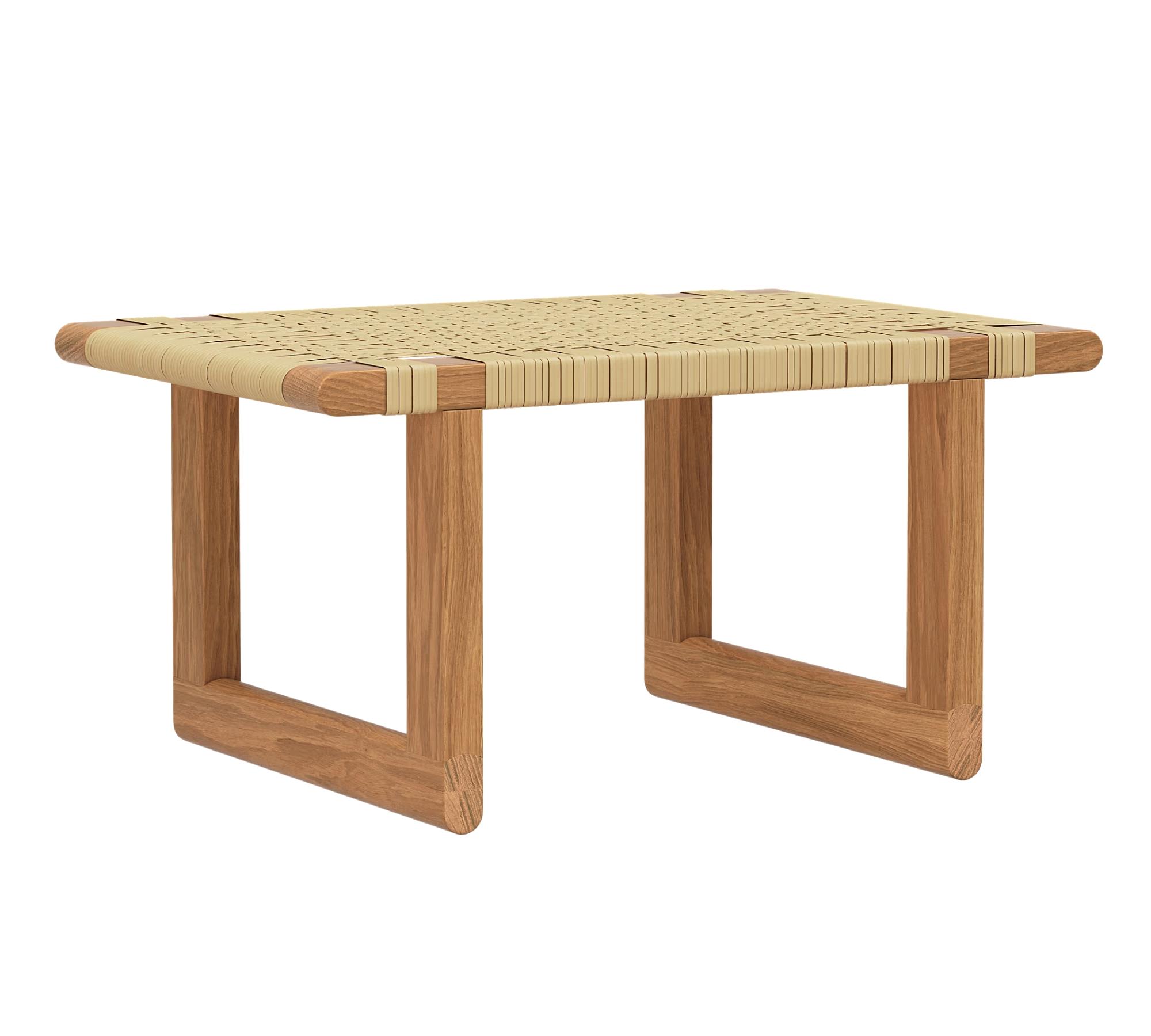
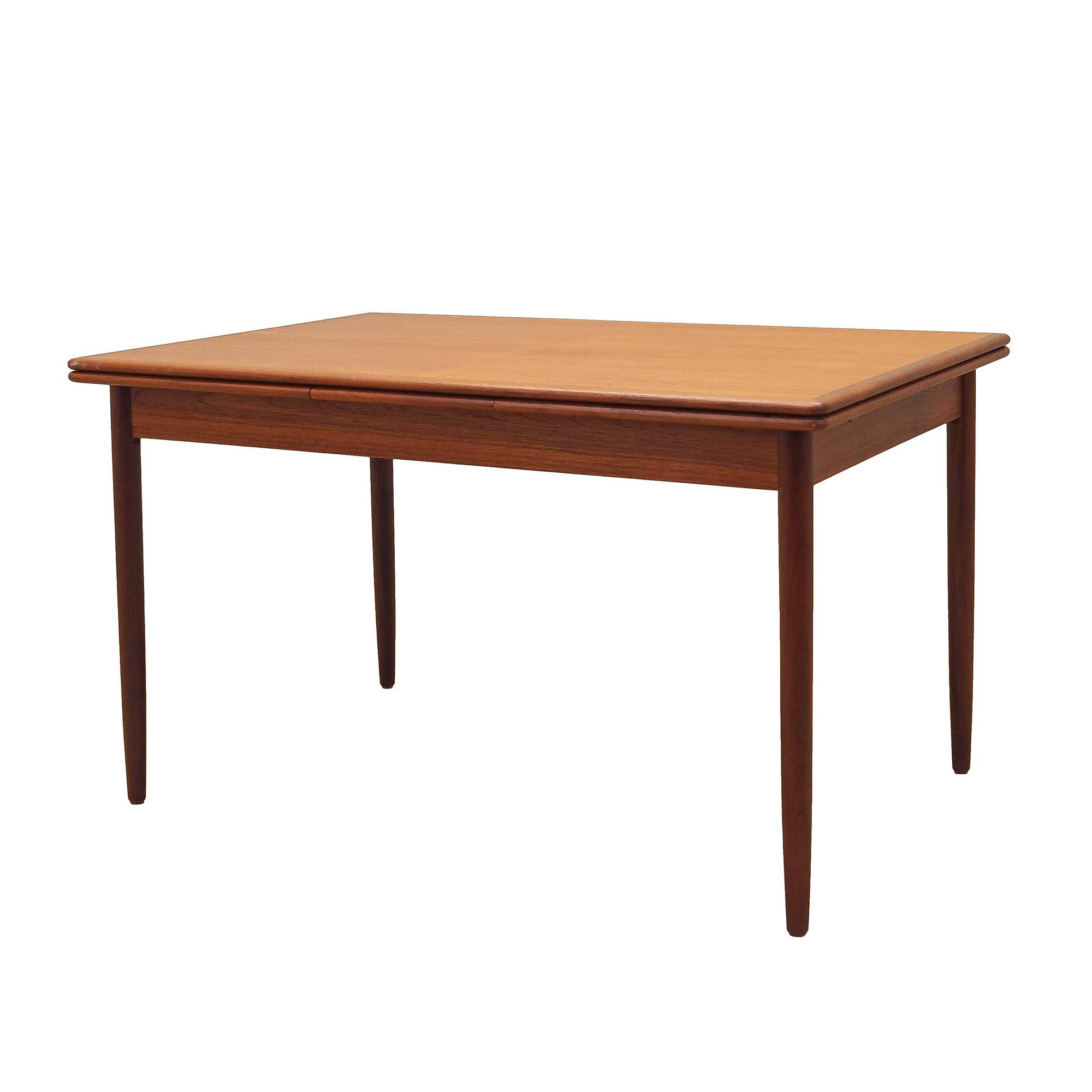
Il legno massiccio con nodi, sottili crepe o venature visibili è un classico. Che si tratti di un tavolo da pranzo, una libreria o una panca, il legno può lavorare e cambiare nel tempo.
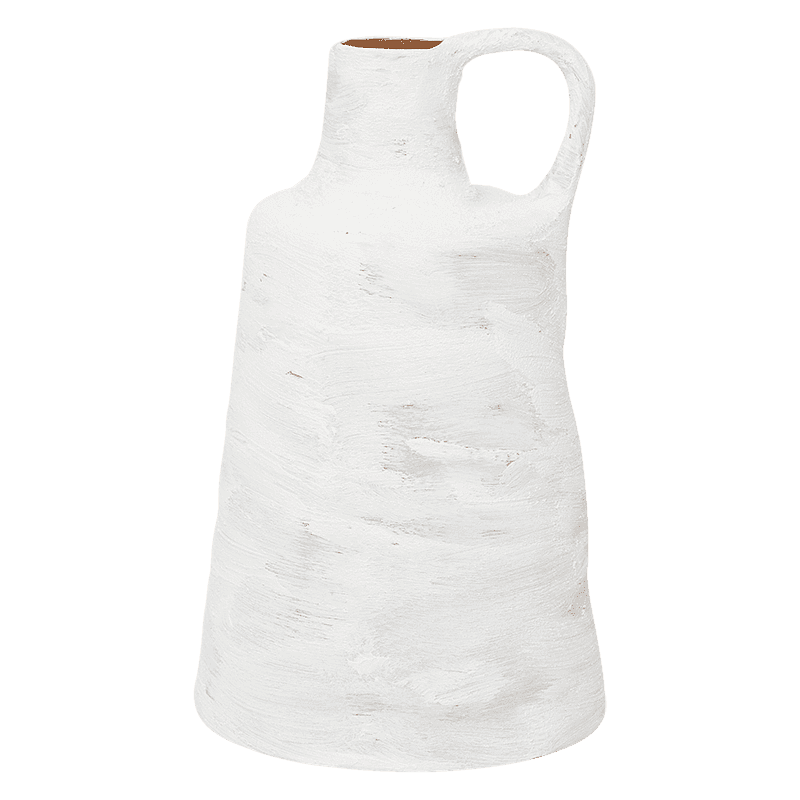
• Ceramica, argilla e pietra
La ceramica non smaltata e le ciotole o i vasi fatti a mano portano calma nella stanza. Le piccole irregolarità non sono un difetto, ma parte del design.
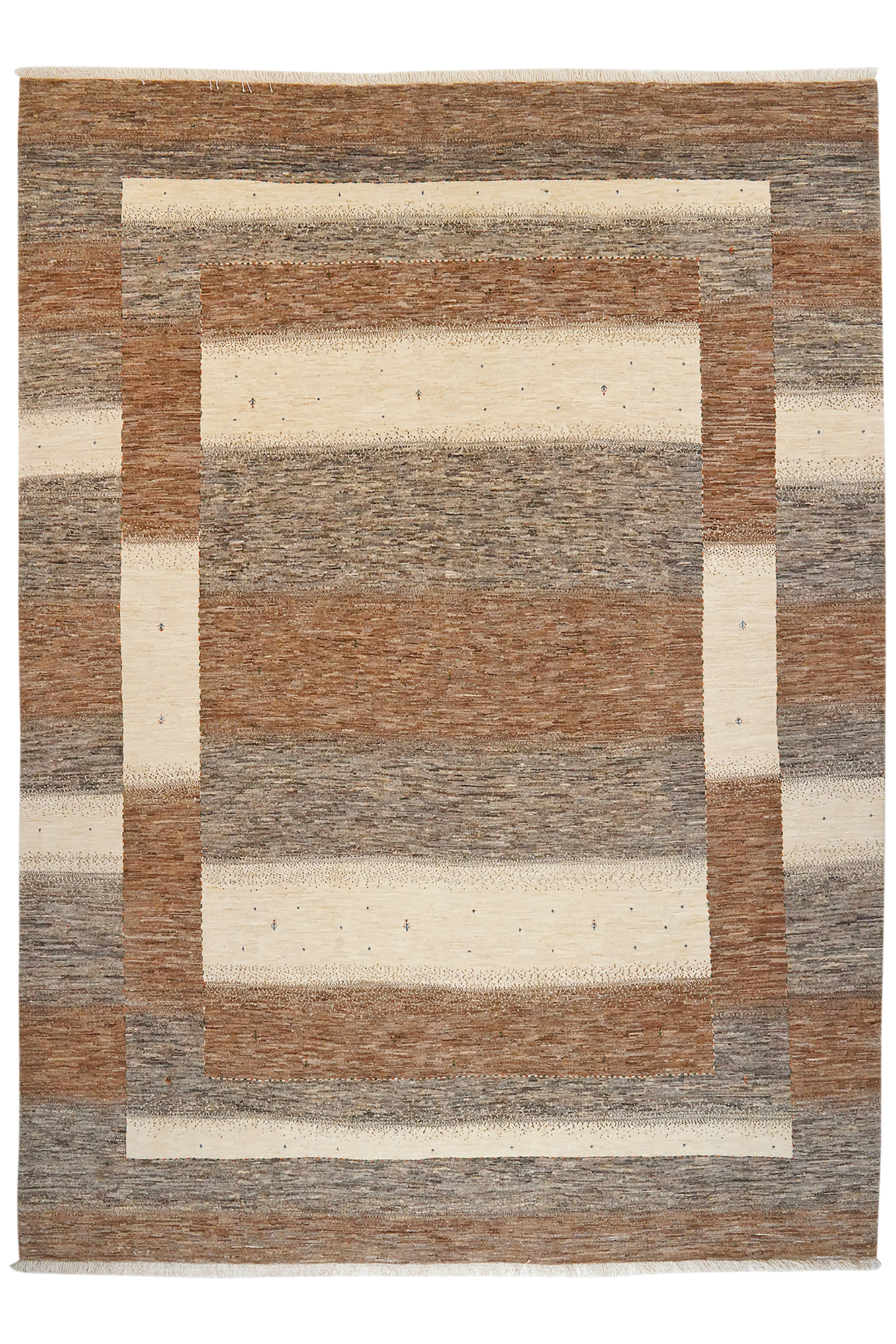
• Tessili con struttura
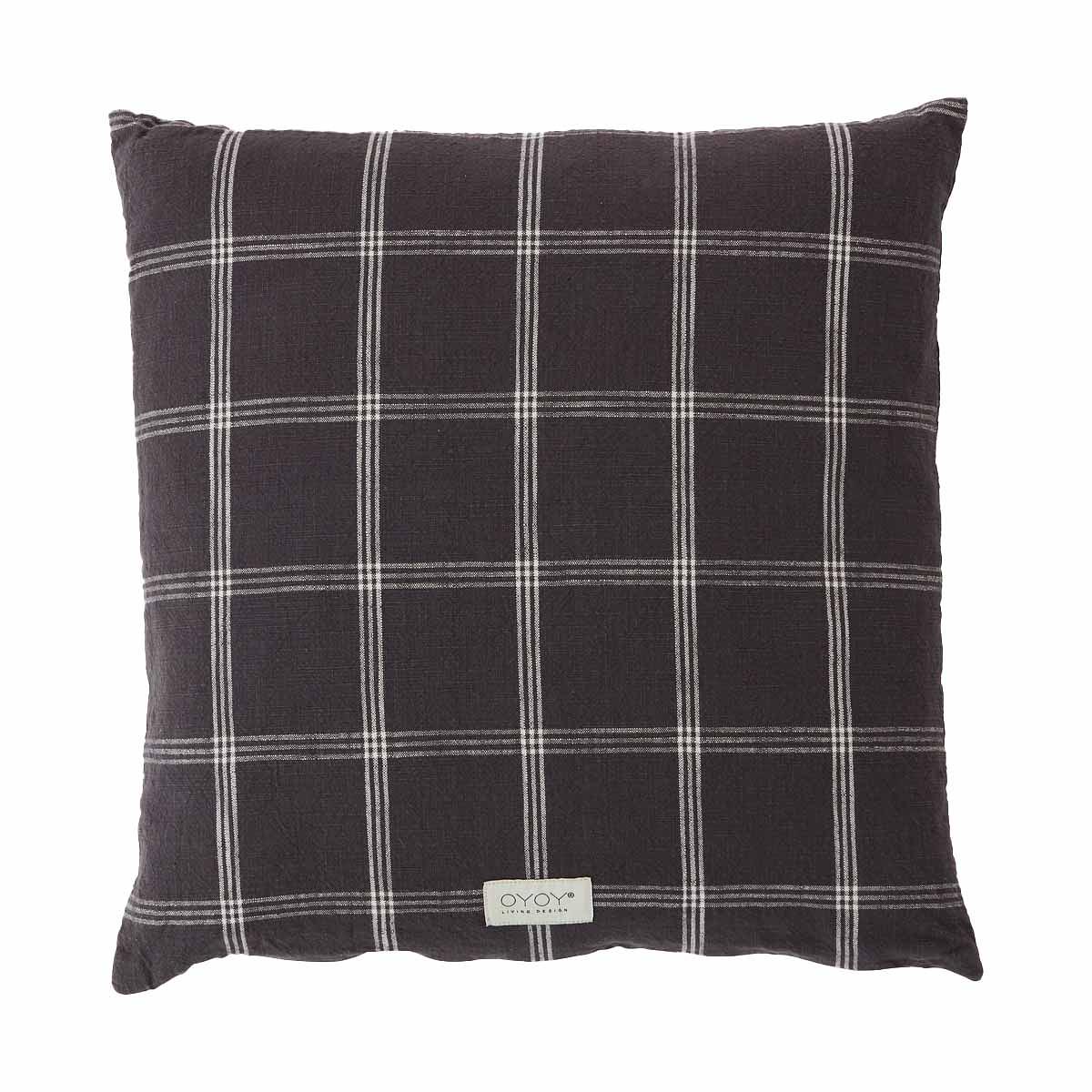
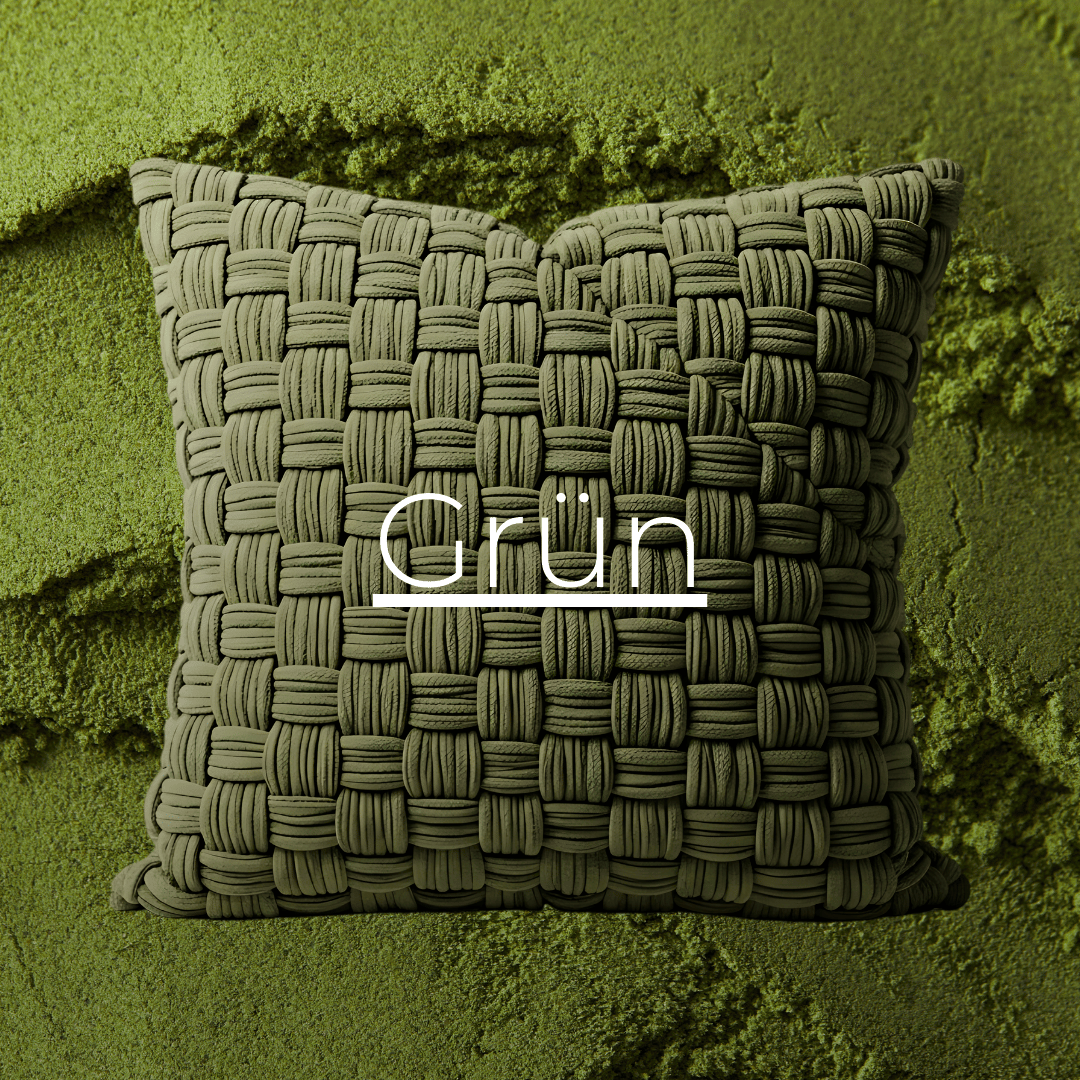
Il lino, la lana o il cotone possono stropicciarsi e sviluppare una patina. I tessuti naturali con una tattilità percepibile sottolineano l'atmosfera rilassata.
.jpg?locale=it)
.png?locale=it)
.jpg?locale=it)
.jpg?locale=it)
Perché il Wabi-Sabi diventerà più importante nel 2026
Il nostro modo di abitare sta cambiando. Comprare velocemente, sostituire velocemente, smaltire velocemente. Questo principio non funziona né dal punto di vista ecologico né da quello emotivo.
Di cosa ho veramente bisogno?
Cosa dura a lungo?
Cosa trasmette una bella sensazione?
Il Wabi-Sabi risponde a queste domande in modo silenzioso ma coerente. Invece di rincorrere le tendenze, nasce uno stile abitativo duraturo, capace di combinarsi naturalmente con concetti di arredamento sostenibili.
Mobili Wabi-Sabi: calmi, ridotti, durevoli
I mobili in stile Wabi-Sabi non si impongono. Funzionano, restano e agiscono con naturalezza nell'ambiente.
Tipici sono:
• Forme semplici e chiare
• Superfici naturali
• Piccole irregolarità visibili
Proprio i mobili con lievi imperfezioni si adattano perfettamente a questo stile. Un graffio minimo o una variazione di colore non rendono un pezzo peggiore, spesso lo rendono persino più interessante.
Un tavolo da pranzo su cui sono già state trascorse molte serate può mostrarlo. Piccole tracce raccontano di conversazioni, pasti condivisi e tempo che è rimasto.
Su COCOLI si trovano esattamente questi pezzi. Mobili di design di alta qualità provenienti da resi, pezzi da esposizione o di seconda mano. Selezionati in modo sostenibile, immediatamente disponibili e spesso significativamente al di sotto del prezzo del nuovo.
Colori che trasmettono calma
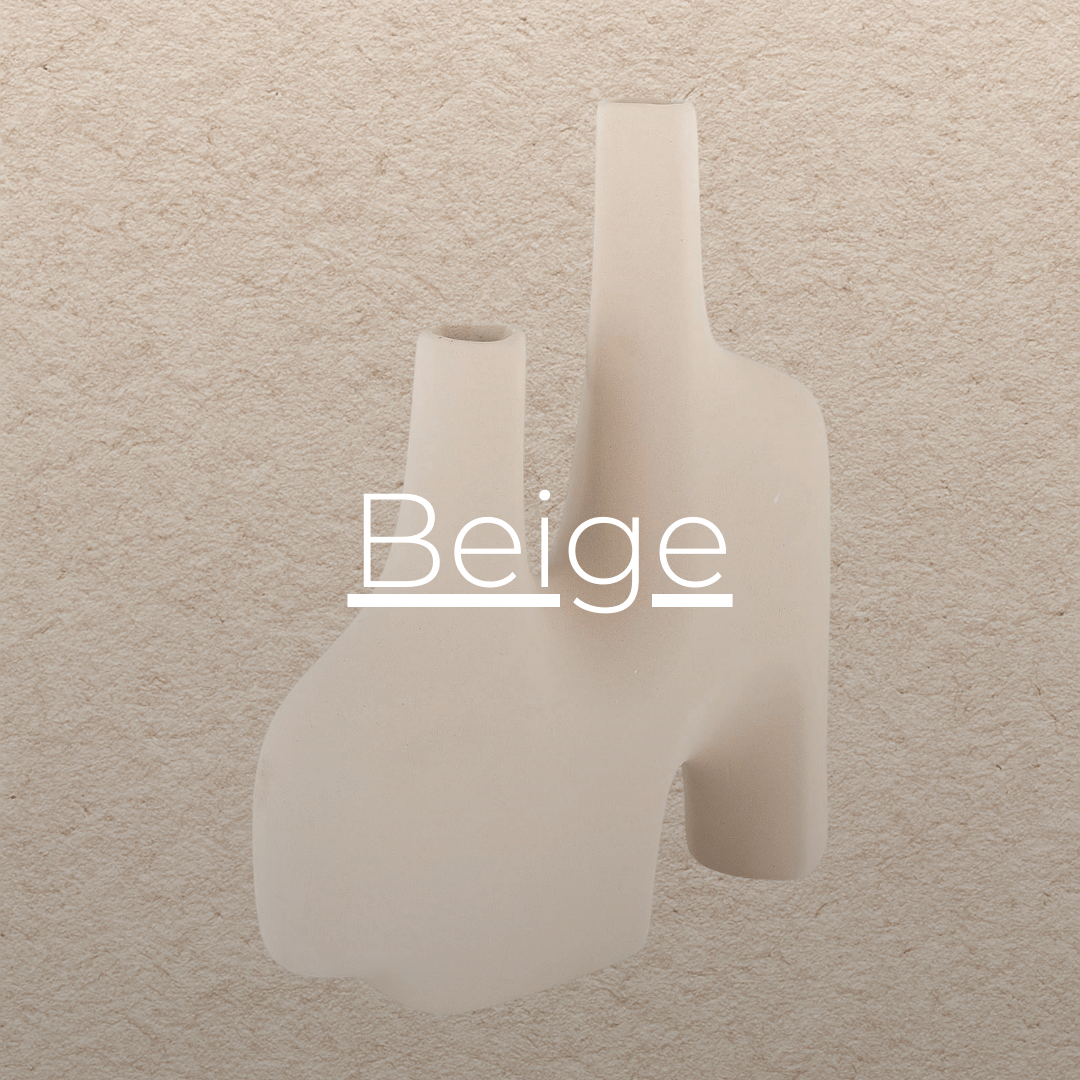
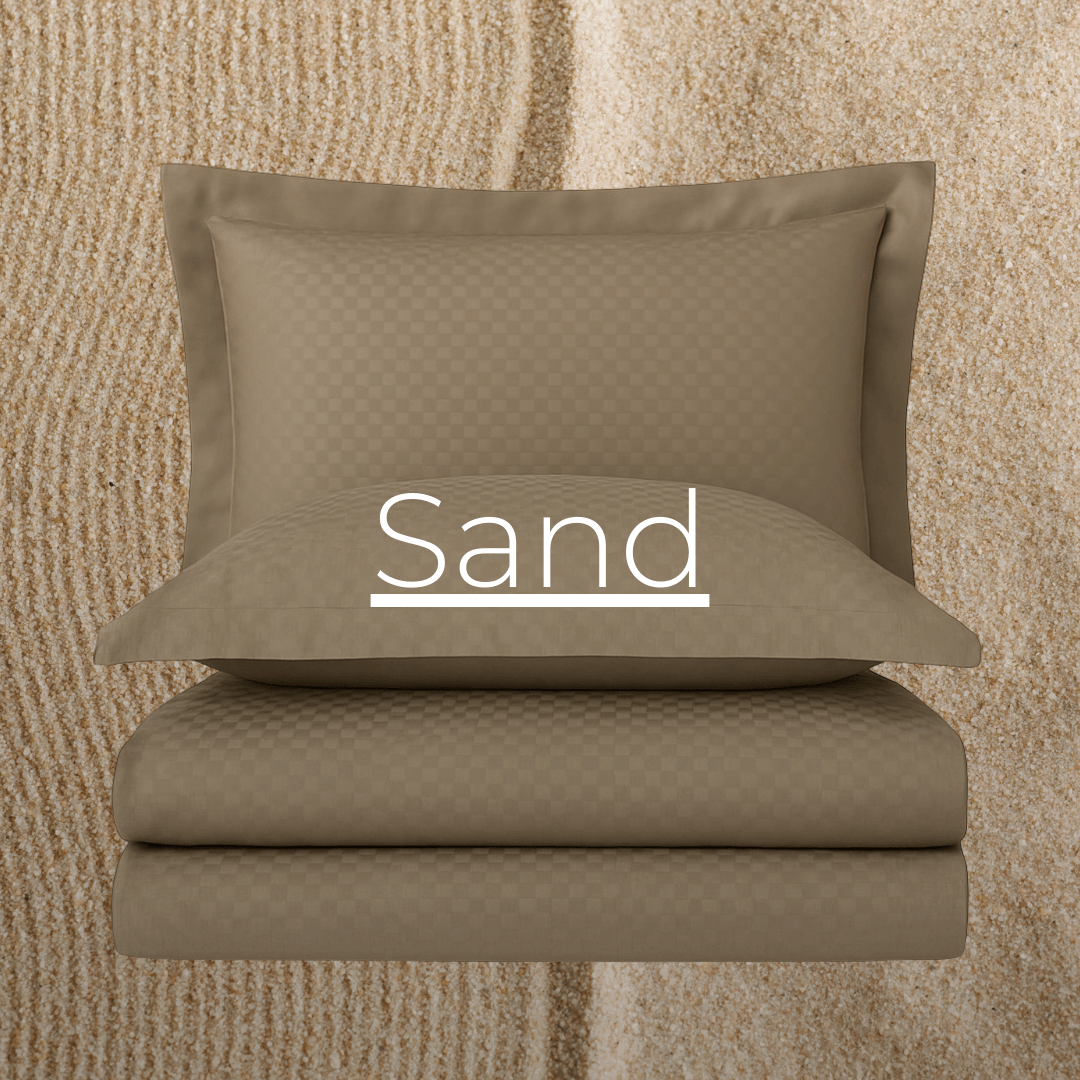
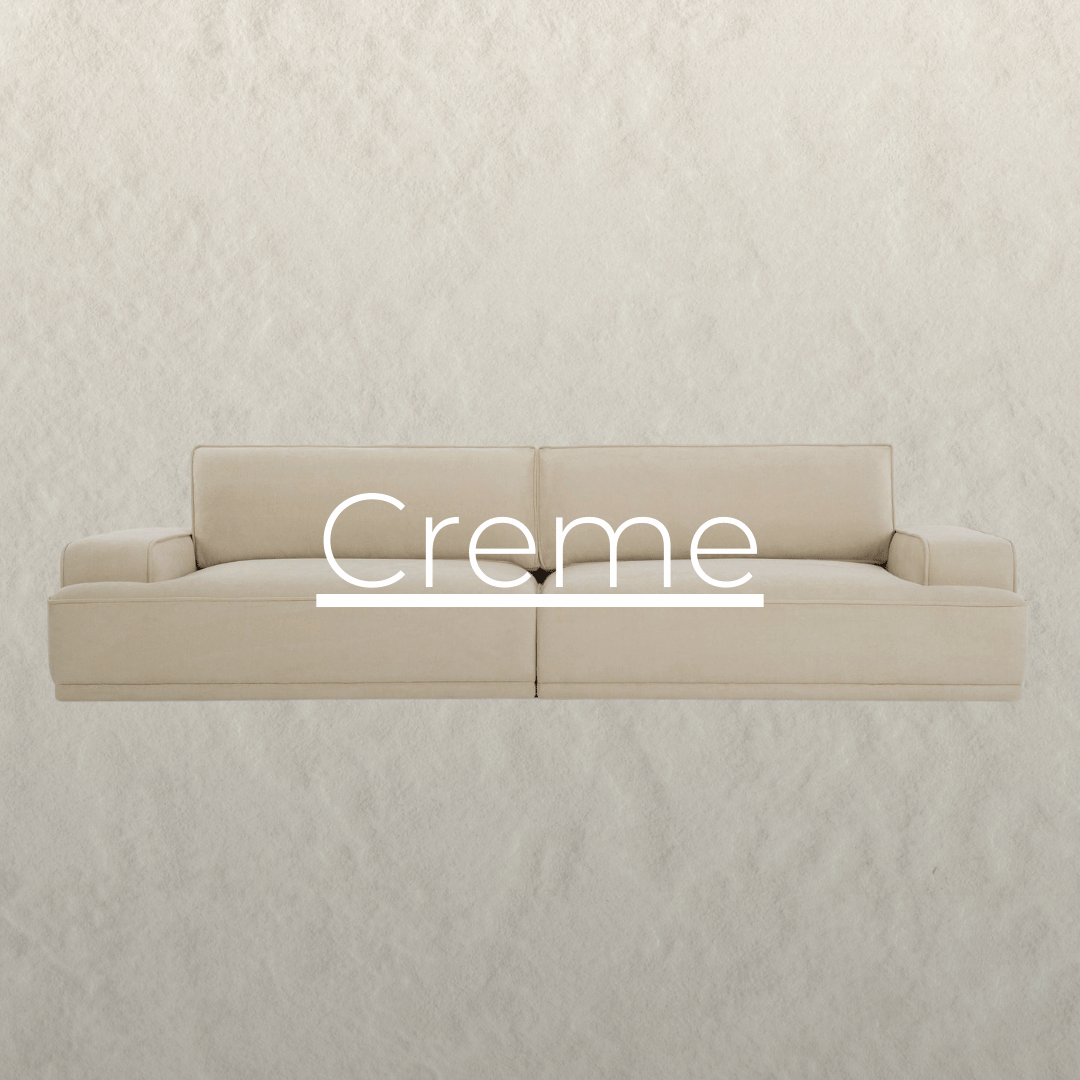
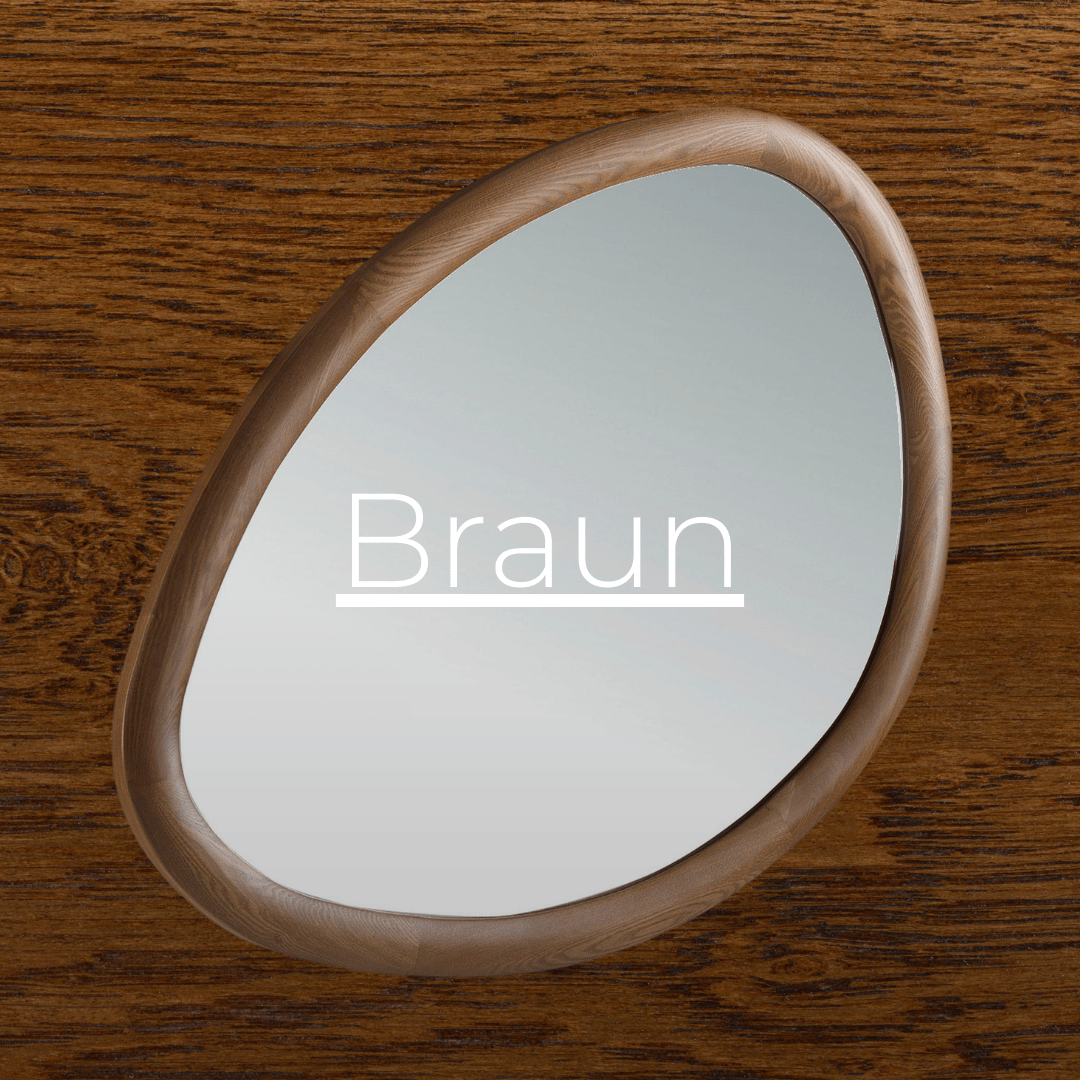
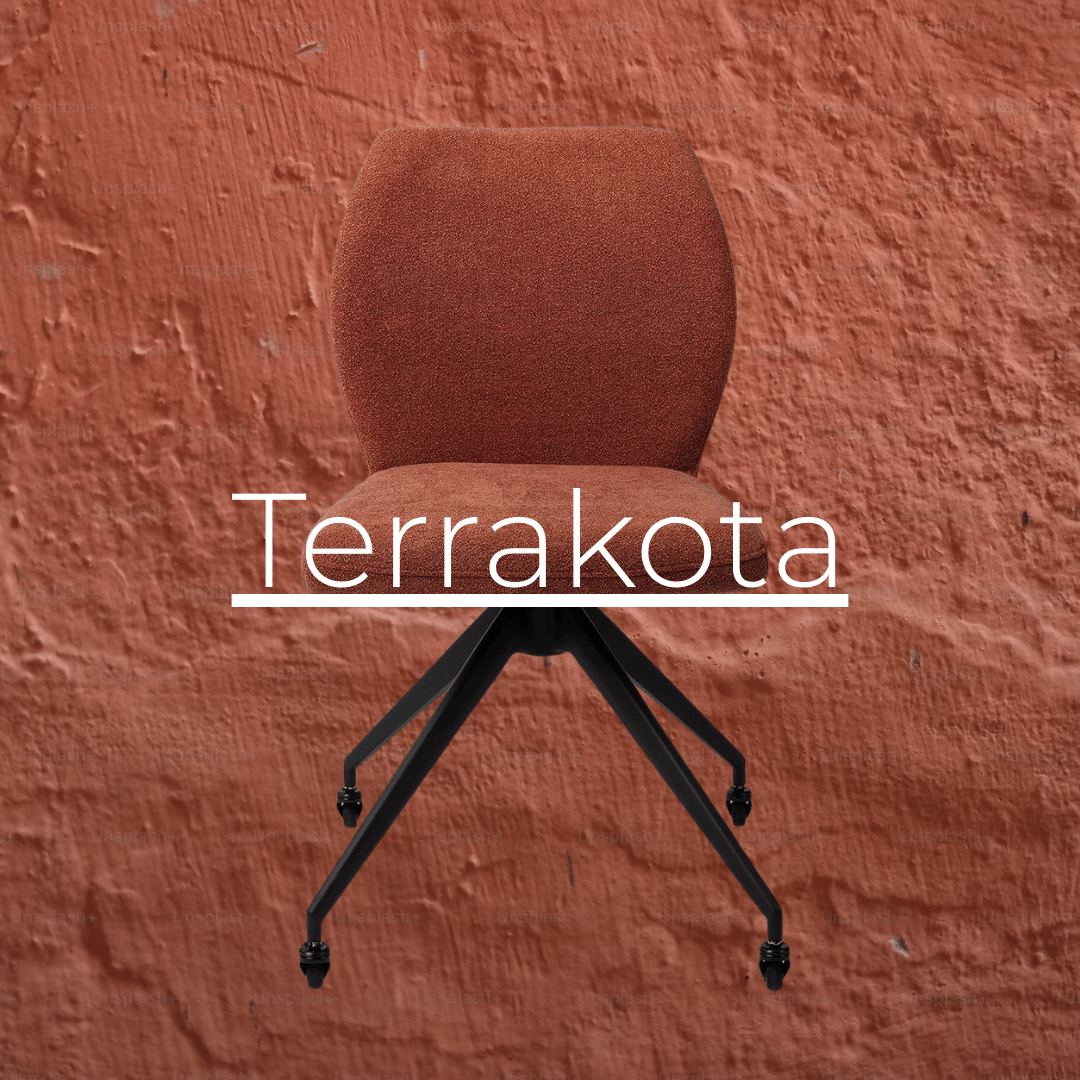
Il mondo dei colori si orienta verso la natura. Caldo, calmo e senza tempo.
Queste sfumature invecchiano bene, proprio come lo stile stesso, e lasciano che i materiali e le forme parlino da soli:
• Beige
• Sabbia
• Crema
• Marrone
• Argilla o Terracotta
• Verde tenue
Luce in stile Wabi-Sabi: soffusa invece di spettacolare
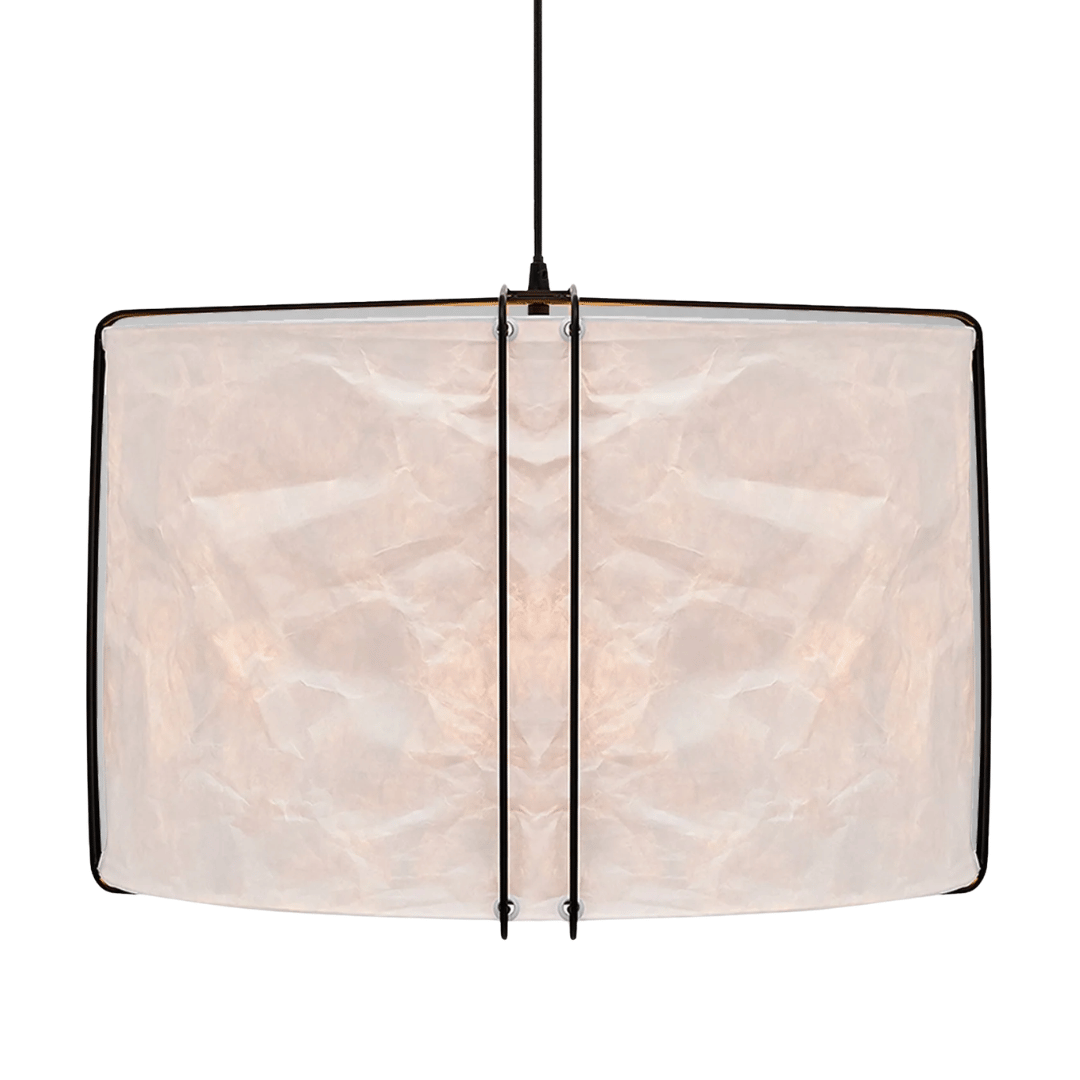
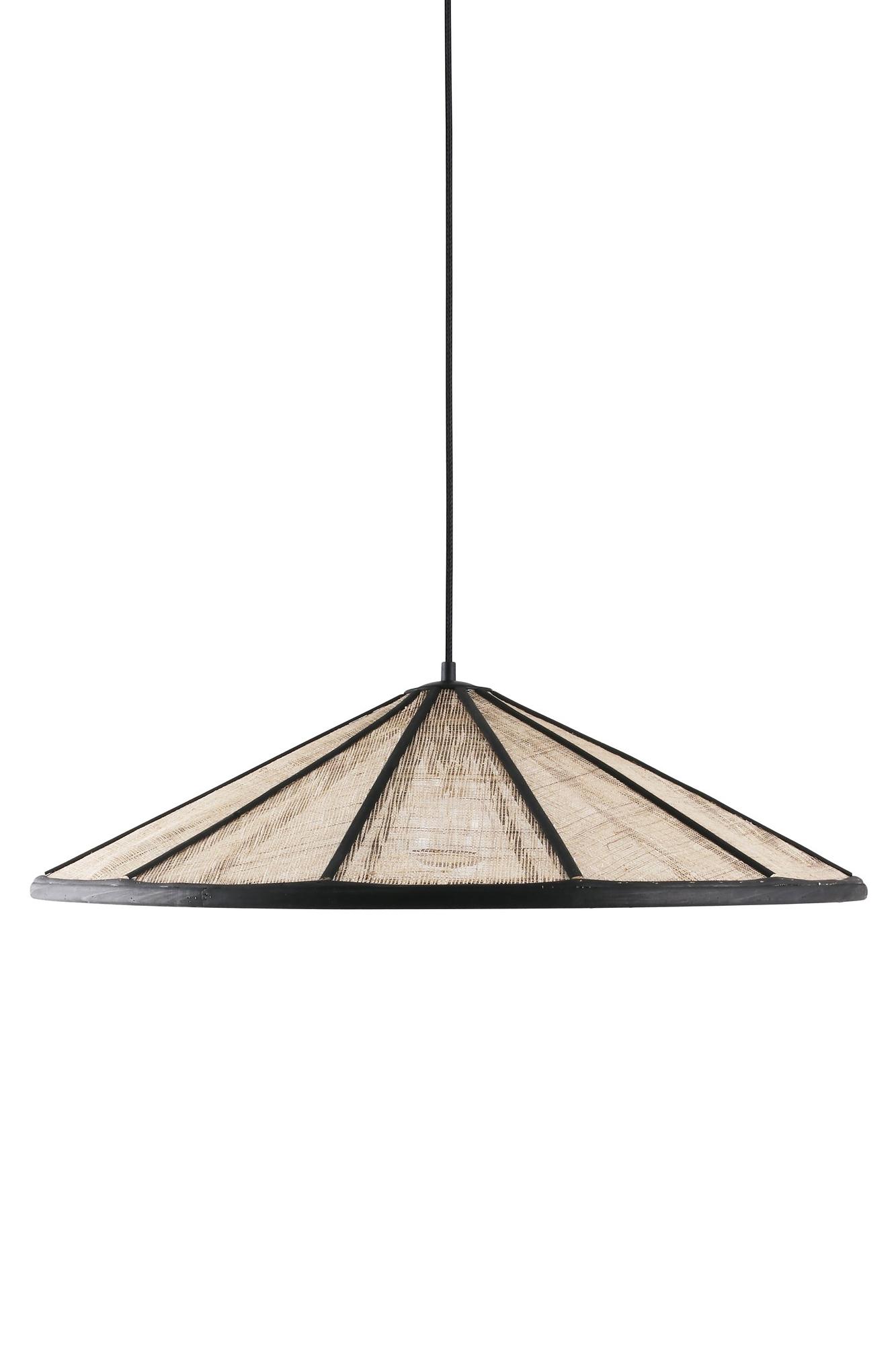
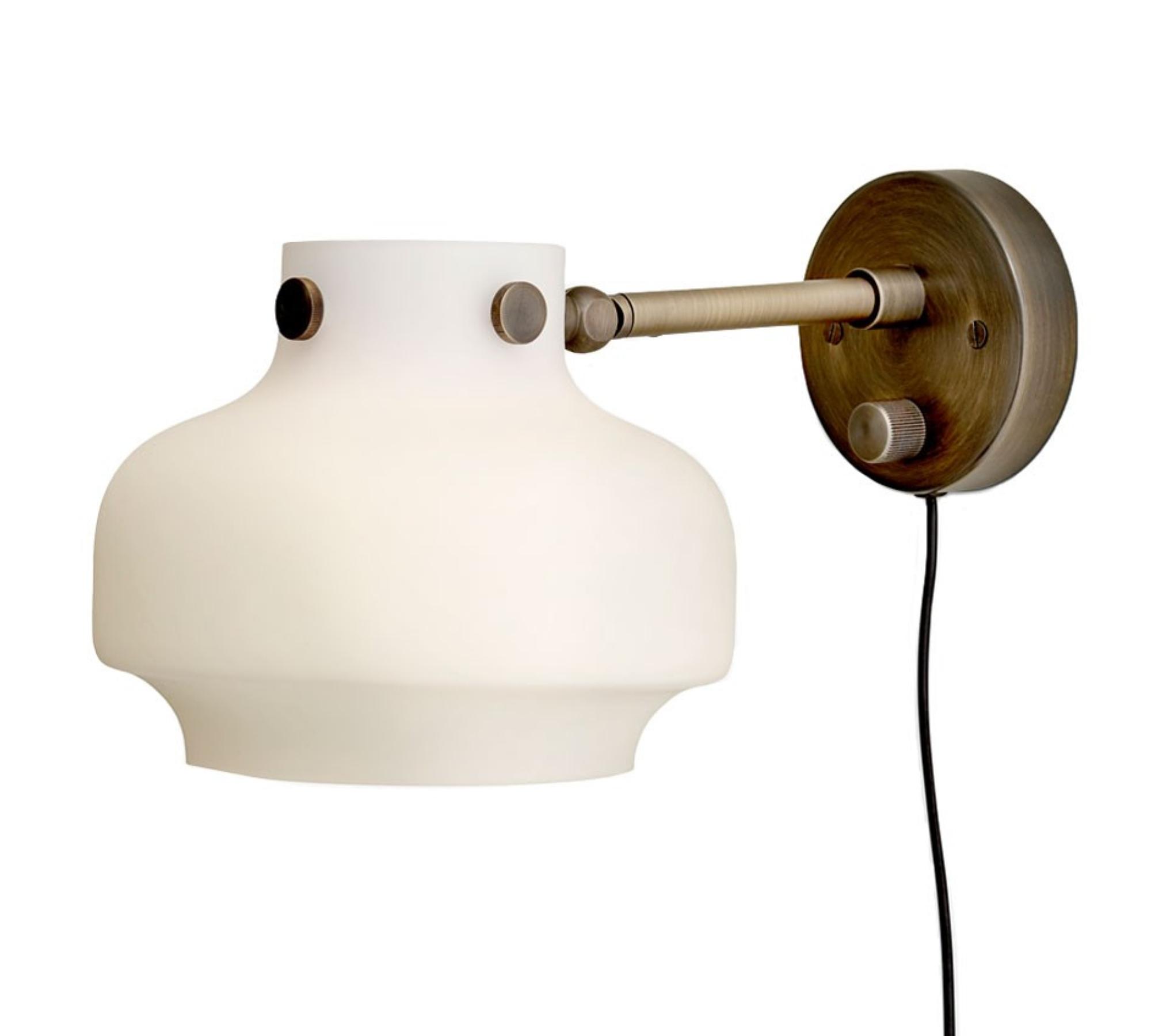
L'illuminazione non è una dichiarazione, ma un elemento d'atmosfera. Si tratta di calore, non di drammaticità.
• Una luce soffusa e calda in combinazione con materiali come carta, legno o metallo crea un'atmosfera tranquilla.
• Diverse piccole fonti di luce risultano più armoniose di una lampada a soffitto dominante.
• Lampade di design con patina o lievi tracce materiche si inseriscono particolarmente bene in un ambiente sereno.
.jpg?locale=it)
.png?locale=it)
%20(1).jpg?locale=it)
.png?locale=it)
Wabi-Sabi e sostenibilità: un legame naturale
Il Wabi-Sabi è sostenibile fin dalle fondamenta. Chi apprezza le cose, le ripara, le riutilizza e le sceglie consapevolmente, consuma automaticamente meno.
Invece di acquistare continuamente nuovi prodotti, ai mobili esistenti viene data una seconda possibilità. Questo permette di risparmiare risorse e prolunga i cicli di vita dei prodotti.
COCOLI interviene proprio qui. Il marketplace online offre mobili, lampade e accessori per la casa curati, con piccole imperfezioni e di alta qualità. In particolare, i pezzi vintage e di seconda mano si adattano perfettamente alla filosofia Wabi-Sabi.
Abitare con stile
La tendenza del design 2026 dimostra che la perfezione è sopravvalutata. Gli spazi possono tornare a respirare. I mobili possono raccontare storie. Il consumo può diventare più consapevole.
Wabi-Sabi non è uno stile per un anno, ma un approccio all'abitare.
Chi desidera implementare questo approccio troverà su COCOLI mobili e accessori per la casa che non devono essere perfetti per restare a lungo.